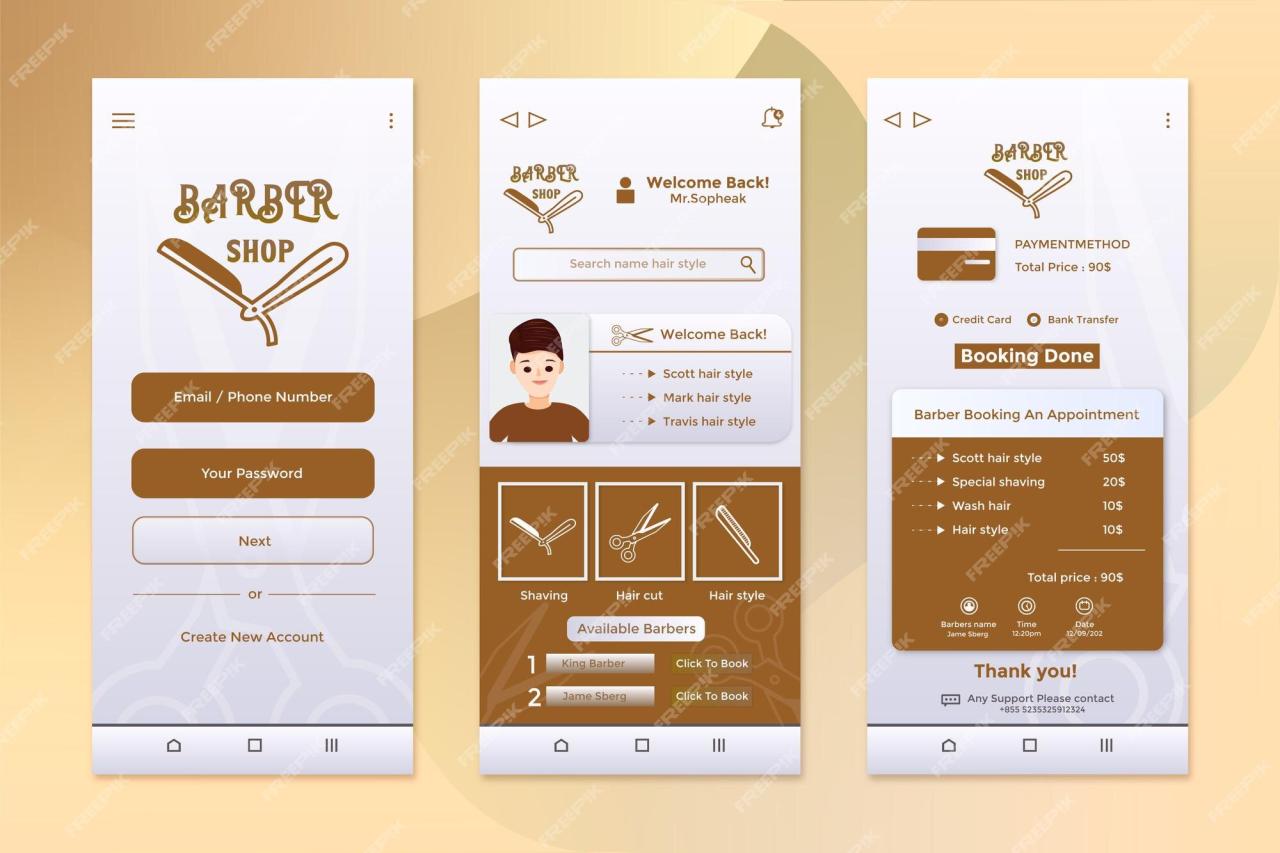
Barber shop booking software is revolutionizing the way salons manage their appointments and customer interactions. This digital solution not only simplifies scheduling but also enhances the overall experience for both barbers and clients. With the rise of technology in the beauty industry, it’s essential for barbershops to adopt software that meets modern demands and customer expectations.
By utilizing barber shop booking software, shops can reduce no-shows, manage their calendars efficiently, and offer clients an easy way to book their desired services. This not only saves time but also helps in building a loyal customer base that appreciates convenience and efficiency in their grooming experience.
In the modern world, the significance of effective communication cannot be overstated. Whether in personal relationships, professional settings, or casual interactions, the ability to convey thoughts clearly and concisely is paramount. This article delves into the intricacies of communication, exploring its various forms, the barriers that often impede it, and strategies to enhance our communicative abilities.Communication, at its core, is the act of exchanging information.
This exchange can occur through myriad channels, including verbal, nonverbal, written, and visual means. Each form possesses its unique strengths and weaknesses, making it essential to choose the appropriate method based on the context and the audience.Verbal communication is perhaps the most direct form. It encompasses spoken words, tone of voice, and even the pace of speech. Effective verbal communication involves not only the words we choose but also how we deliver them.
For instance, a calm and steady tone can convey confidence, while a hurried speech might suggest anxiety or uncertainty. To enhance verbal communication, consider practicing active listening—a skill that involves fully concentrating on the speaker and responding thoughtfully. This practice can significantly improve interpersonal relationships and foster a more inclusive environment.On the other hand, nonverbal communication plays an equally crucial role in how messages are perceived.
Body language, facial expressions, eye contact, and gestures can all convey meaning beyond spoken words. For example, crossed arms may indicate defensiveness, while open palms can suggest openness and honesty. Understanding nonverbal cues can provide additional context to conversations, allowing individuals to connect more deeply. It is vital, however, to be aware of cultural differences in nonverbal communication, as a gesture perceived positively in one culture may carry negative connotations in another.Written communication remains a cornerstone of professional interaction, particularly in today’s digital age.
Emails, reports, and text messages form the backbone of business correspondence. To communicate effectively in writing, clarity and conciseness are vital. Avoid jargon and overly complex sentences that could confuse the reader. Instead, opt for straightforward language and a clear structure. Incorporating headings, bullet points, and short paragraphs can also enhance readability.
Additionally, remember the importance of proofreading—typos and grammatical errors can detract from the message’s professionalism.Visual communication, which includes charts, graphs, and images, is increasingly relevant in our information-saturated world. Visual aids can help distill complex data into digestible formats, making it easier for audiences to grasp essential points. When utilizing visuals, ensure they are relevant and enhance the overall message rather than distract from it.
Effective visual communication requires an understanding of design principles, such as balance, contrast, and hierarchy, which can significantly improve the effectiveness of the communicated message.Despite our best efforts, various barriers to effective communication can arise. These barriers can be categorized into three main groups: physical, psychological, and semantic. Physical barriers might include environmental factors such as noise or distance, which can disrupt the flow of information.
To overcome these challenges, try to choose conducive settings for important conversations or utilize technology that enhances connectivity.Psychological barriers often stem from preconceived notions, biases, or emotional states. For instance, stress, anger, or fatigue can cloud our judgment and hinder our ability to communicate effectively. Acknowledging one’s emotional state and practicing mindfulness can help mitigate these psychological barriers, allowing for clearer expression and reception of ideas.Lastly, semantic barriers arise from misunderstandings related to language, jargon, or cultural differences.
To navigate these challenges, it is essential to tailor your language to your audience. Avoid using technical terms when speaking to someone unfamiliar with the subject matter, and be open to clarifying any misunderstandings that may arise.Enhancing communication skills is an ongoing journey that requires intention and practice. Here are some practical strategies to develop these skills further:
1. Practice Active Listening
Make a conscious effort to listen more than you speak. Reflect on what others say and respond accordingly, which fosters a sense of connection and understanding.
2. Seek Feedback
After communicating, ask for feedback from others. This can provide valuable insights into how your message was received and highlight areas for improvement.
3. Engage in Public Speaking
Whether through formal classes or informal settings, public speaking can dramatically enhance your verbal communication skills. It helps build confidence and teaches you to articulate your thoughts more effectively.
4. Journal Regularly
Writing regularly can improve your written communication prowess. It allows you to explore ideas and practice expressing them coherently.
5. Observe Others
Take note of effective communicators in your life. Analyze their techniques and consider how you might incorporate some of their strategies into your style.
6. Adaptability
Be willing to adjust your communication style based on your audience. Understanding who you are speaking to will help tailor your message for maximum impact.
7. Stay Informed
Keeping up with current events, trends, and new developments in your field can enrich your conversations and provide you with more substantial content to share.
8. Embrace Technology
Utilize various communication tools and platforms to engage with others. Familiarize yourself with different means of communication, from social media to video conferencing, to broaden your horizons.In conclusion, effective communication is a multifaceted skill that can profoundly impact our personal and professional lives. By understanding the different forms of communication, recognizing potential barriers, and actively working to improve our skills, we can foster more meaningful interactions and create environments where ideas flourish.
Remember, the journey towards becoming a better communicator is ongoing, and every conversation offers a new opportunity to learn and grow.
Clarifying Questions
What features should I look for in barber shop booking software?
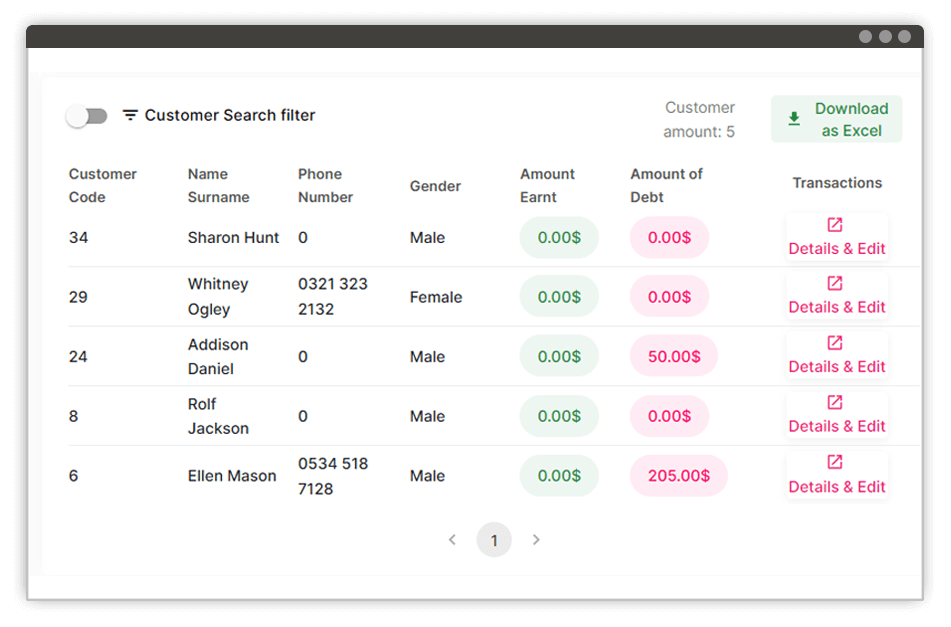
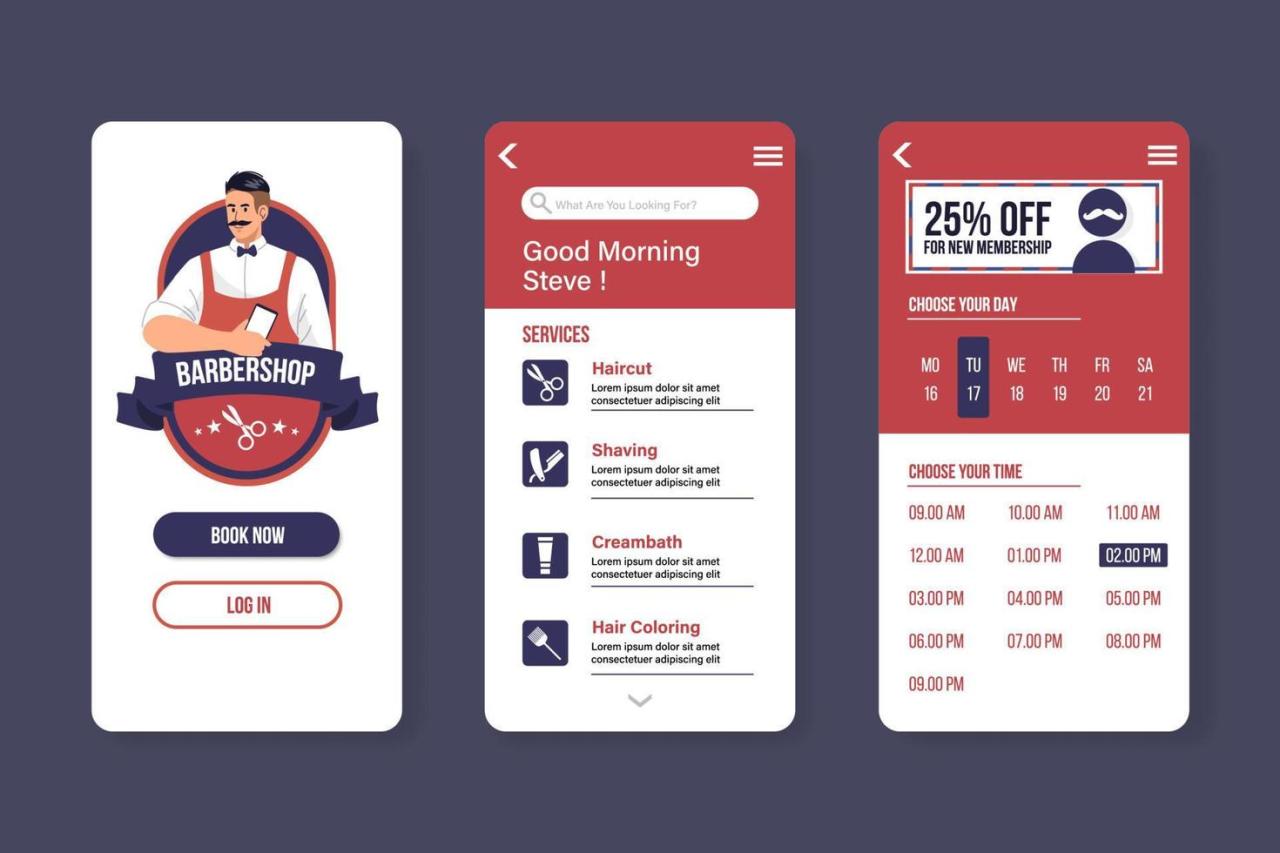
You should look for features like online booking, calendar synchronization, payment processing, customer management, and reminders for appointments.
Is barber shop booking software easy to use?
Most barber shop booking software options are designed with user-friendliness in mind, making it easy for both barbers and customers to navigate.
Can barber shop booking software help reduce no-shows?
Yes, many systems include automated reminders and confirmations that can significantly decrease the number of no-shows.
Is there customer support available for barber shop booking software?
Most reputable software providers offer customer support through various channels, including phone, email, and live chat.
Does barber shop booking software integrate with other tools?
Many barber shop booking software solutions can integrate with other tools like payment processors, marketing platforms, and social media channels for a seamless experience.