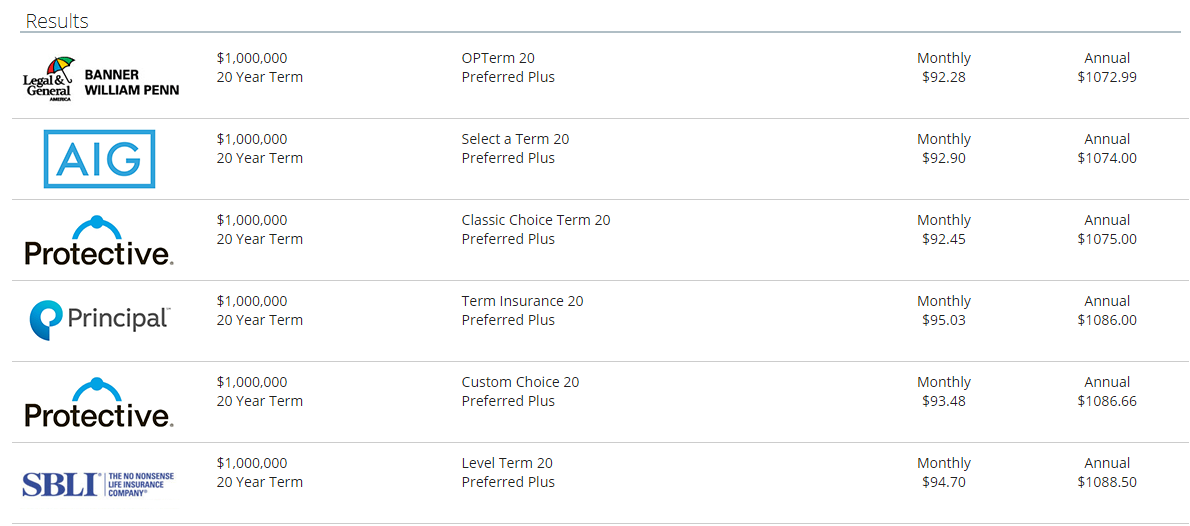
Insurance life online quote can feel daunting at first, but it doesn’t have to be. As we venture into this topic, we’ll uncover how digital platforms have revolutionized the way we approach life insurance, making it easier than ever for individuals to find the coverage that suits their needs. From understanding the basics to exploring the advantages of getting quotes online, this overview will set the stage for a deeper dive into the world of life insurance.
In today’s fast-paced environment, online quotes provide a convenient way to compare different policies and prices without the hassle of in-person consultations. This shift not only saves time but also empowers consumers to make informed decisions about their financial futures.
Managing personal finances is an essential skill that everyone should develop, regardless of their income level. Proper financial management can lead to a more secure future, decreased stress, and the ability to achieve your goals. This article will delve into the key aspects of personal finance management, including budgeting, saving, investing, and planning for retirement.
Understanding the Basics of Budgeting
Budgeting is the cornerstone of effective personal finance management. It involves tracking your income and expenses to ensure that you live within your means. To create a budget, start by listing all your sources of income, followed by your fixed and variable expenses. Fixed expenses are those that remain constant each month, such as rent or mortgage payments, while variable expenses can fluctuate, like groceries and entertainment.
A popular budgeting method is the 50/30/20 rule, which suggests allocating 50% of your income to needs, 30% to wants, and 20% to savings and debt repayment. This method provides a structured approach, ensuring that you cover your essential needs while also saving for the future.
The Importance of Saving
Once you have a budget in place, the next step is to prioritize saving. An emergency fund is a crucial part of financial security. This fund should ideally cover three to six months’ worth of living expenses, providing a safety net in case of unexpected costs, such as medical bills or job loss.
Additionally, setting aside funds for short-term and long-term goals is vital. Short-term goals might include a vacation or a new gadget, while long-term goals could involve saving for a home or your children’s education. Automating your savings can help make this process easier; set up automatic transfers to your savings account each month, so you don’t have to think about it.
Investing for the Future
Investing is another critical element of personal finance management. While saving is essential, it’s also important to make your money work for you. Investing allows your money to grow over time, outpacing inflation and helping you build wealth. Various investment options exist, including stocks, bonds, mutual funds, and real estate.
Before diving into investing, it’s essential to educate yourself about the different types of investments and their associated risks. Consider what you want to achieve with your investments and your risk tolerance. If you’re new to investing, you might want to start with low-cost index funds or consider working with a financial advisor to develop a tailored investment strategy.
Planning for Retirement
Retirement planning is a crucial aspect of personal finance management that often gets overlooked. The earlier you start saving for retirement, the more you can capitalize on compound interest. Many employers offer retirement plans, such as a 401(k), which often includes matching contributions. It’s wise to take advantage of such offerings, as they can significantly boost your retirement savings.
In addition to employer-sponsored plans, consider opening an Individual Retirement Account (IRA). Traditional and Roth IRAs offer tax advantages that can enhance your savings potential. Evaluate your projected retirement needs and establish a clear plan for achieving them.
Managing Debt Wisely
Debt management is another vital component of personal finance. While some debt, such as a mortgage or student loans, can be considered “good debt,” high-interest credit card debt can quickly become overwhelming. Focus on paying down high-interest debts first while making minimum payments on others.

Creating a debt repayment plan can help keep you organized and motivated. Techniques such as the snowball method—paying off the smallest debts first—or the avalanche method—focusing on debts with the highest interest rates—can provide structure and help you see progress.

Reviewing and Adjusting Your Financial Plan
Personal finance management is not a one-time task; it requires regular review and adjustment. Life circumstances change, and so should your financial plan. Regularly review your budget, savings goals, investments, and debt repayment strategy to ensure they align with your current situation and aspirations.
Consider setting aside time every few months to reassess your financial health. This practice will help you stay accountable and make informed decisions about your finances. Additionally, don’t hesitate to seek professional guidance if you need assistance navigating complex financial situations.
Conclusion
In conclusion, effective personal finance management is essential for achieving financial stability and security. By budgeting wisely, saving diligently, investing strategically, planning for retirement, and managing debt effectively, you can build a robust financial foundation. Remember that personal finance is a journey, and it’s never too late to start taking control of your financial future.