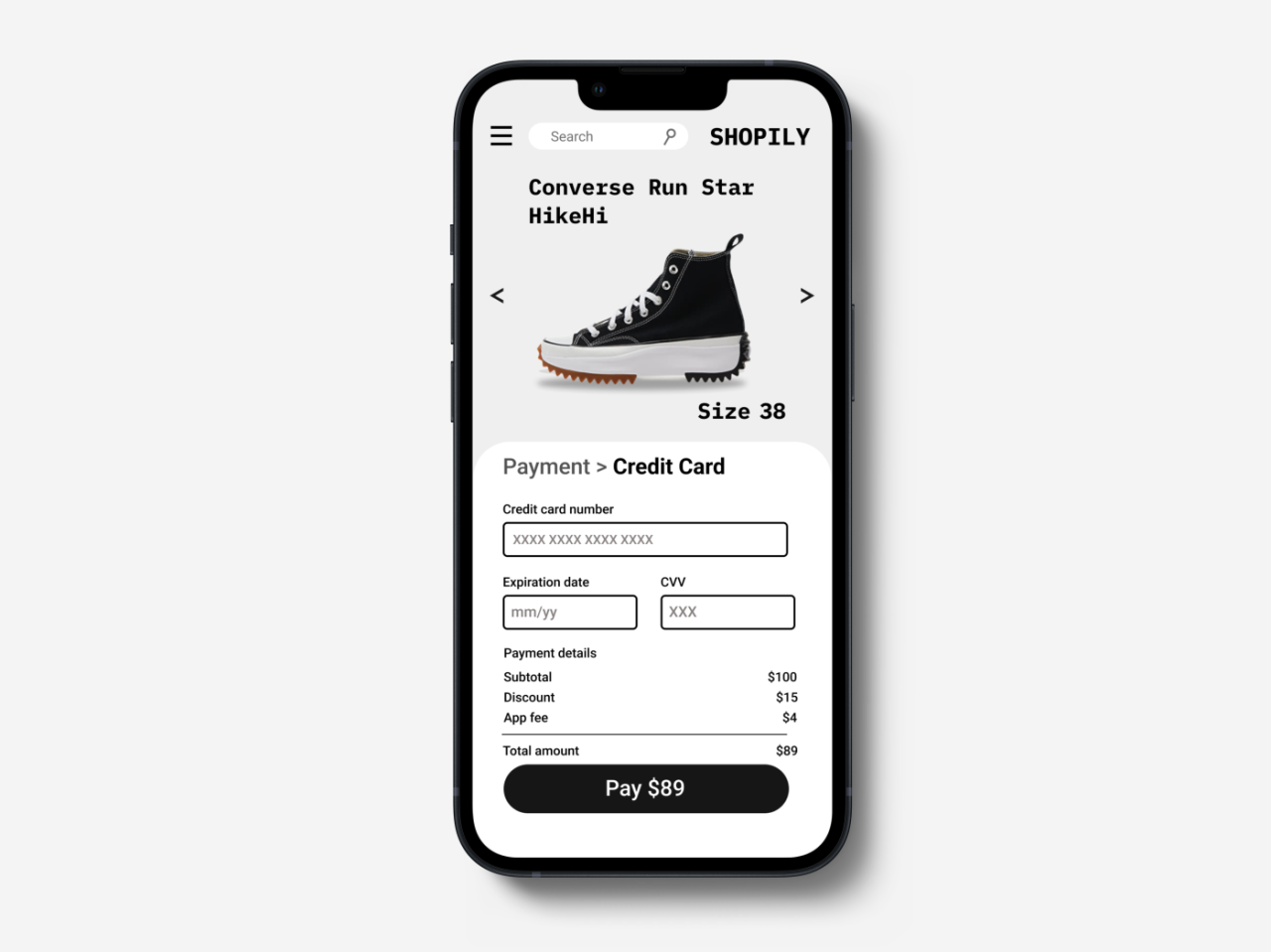
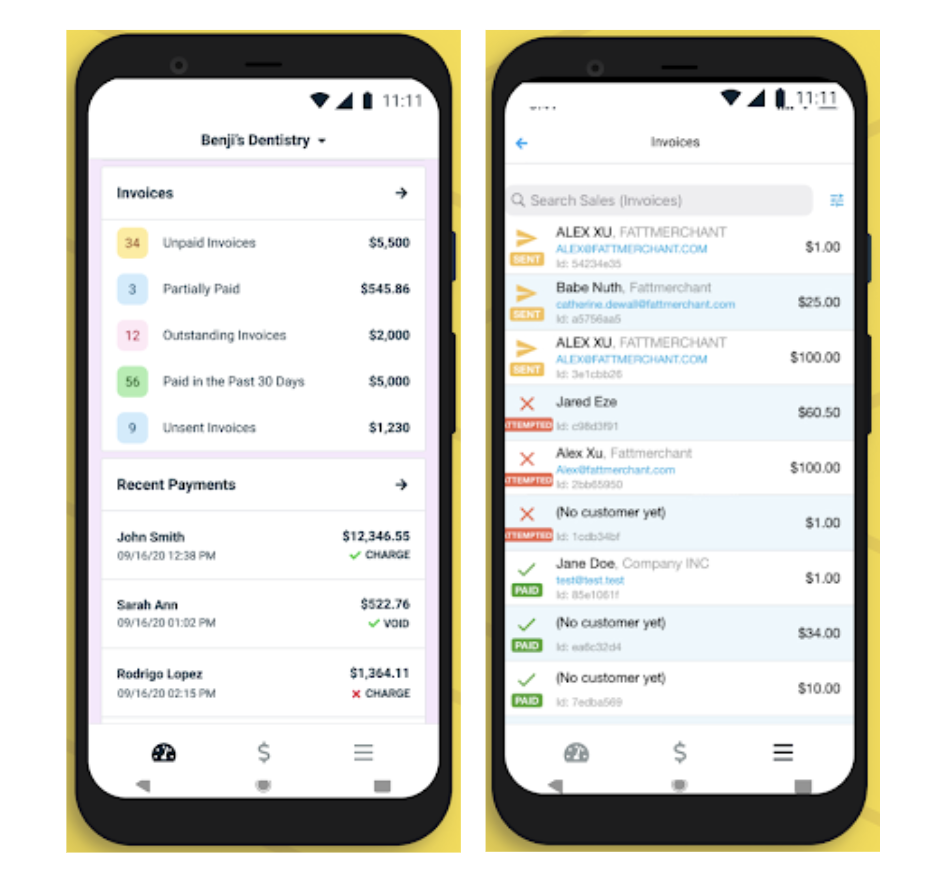
Apps to take credit card payments have revolutionized the way businesses handle transactions, making it easier than ever to accept payments on the go. With the increasing reliance on digital payments, these applications offer a seamless solution for both merchants and consumers. Whether you’re a small business owner or running a large enterprise, understanding how these apps work can significantly enhance your sales process and customer experience.
From user-friendly interfaces to advanced security measures, the variety of credit card payment apps available today cater to diverse business needs. These tools not only streamline payment processing but also provide insights into sales trends, helping you make informed decisions. As we explore this topic, you’ll discover the key features, benefits, and considerations when choosing the right app for your business.
As the world grapples with climate change and environmental degradation, the concept of sustainable living has emerged as a crucial topic of discussion. Sustainable living is not merely a trend but a conscious choice to minimize our ecological footprint while enhancing our quality of life. This article explores the various facets of sustainable living, its benefits, and practical steps that individuals can take to lead a more sustainable lifestyle.
Understanding Sustainable Living
Sustainable living encompasses a range of practices that aim to reduce the negative impact of our daily activities on the environment. It involves making decisions that support the health of the planet, such as reducing waste, conserving resources, and promoting social equity. At its core, sustainable living is about finding harmony between our needs and the health of the planet.
Why Is Sustainable Living Important?
There are several compelling reasons to embrace sustainable living:
- Environmental Protection: Reducing our carbon footprint and conserving natural resources helps protect biodiversity and ecosystems.
- Health Benefits: Sustainable practices often lead to healthier lifestyles, such as consuming organic foods and reducing exposure to harmful chemicals.
- Economic Savings: Sustainable living can lead to cost savings through reduced energy consumption and waste management.
- Social Responsibility: By supporting local economies and equitable practices, we can contribute to social and economic well-being.
Key Principles of Sustainable Living
To create a sustainable lifestyle, individuals can adopt several key principles:
1. Reduce, Reuse, Recycle
These three principles form the cornerstone of sustainable living. Reducing waste by minimizing consumption, reusing items whenever possible, and recycling materials to keep them out of landfills can significantly lessen our environmental impact.

2. Conserve Energy
Energy conservation is critical in the fight against climate change. Simple actions like turning off lights when leaving a room, using energy-efficient appliances, and switching to renewable energy sources can contribute to significant reductions in energy consumption.
3. Choose Sustainable Products
Opting for products made from sustainable materials supports eco-friendly companies and reduces reliance on unsustainable practices. Look for certifications like Fair Trade, organic, and cruelty-free when shopping.
4. Support Local Economies
Purchasing from local farmers and businesses reduces transportation emissions and fosters community resilience. Farmers’ markets and local shops often prioritize sustainable practices and fresher products.
5. Practice Mindful Eating
Mindful eating involves being aware of where our food comes from, how it is produced, and its impact on the environment. Incorporating more plant-based meals into our diets can significantly lower our carbon footprint.
Practical Steps to Begin Sustainable Living
Transitioning to a sustainable lifestyle doesn’t have to be overwhelming. Here are some practical steps to get started:
1. Perform an Eco-Audit
Begin by assessing your current habits. Identify areas where you can reduce waste, conserve energy, and implement sustainable practices. Consider tracking your water usage, energy consumption, and waste production.
2. Start a Compost Bin
Composting is an excellent way to reduce waste and enrich soil. Start small by composting kitchen scraps and yard waste. This not only diverts organic matter from landfills but also supports local gardening efforts.
3. Use Public Transport or Carpool
Reducing reliance on personal vehicles can lower greenhouse gas emissions. Whenever possible, opt for public transportation, cycling, or carpooling to limit your impact on the environment.
4. Educate Yourself and Others
Keeping informed about sustainability issues helps reinforce your commitment. Share knowledge with friends and family to inspire them to adopt similar practices.
5. Join Community Initiatives
Engaging with local environmental groups can amplify your efforts. Participate in clean-up drives, tree-planting events, and other community initiatives that promote sustainability.
The Role of Technology in Sustainable Living
Technology plays a pivotal role in facilitating sustainable living. Innovations like smart thermostats, energy-efficient appliances, and apps that track energy use can empower individuals to make better choices. Additionally, advancements in renewable energy technologies, such as solar panels and wind turbines, make it easier to transition to sustainable energy sources.
Challenges to Sustainable Living
Despite the myriad benefits of sustainable living, challenges remain. These can include:
- Accessibility: Sustainable products and practices may not always be readily available or affordable for everyone.
- Consumer Habits: Changing ingrained habits and preferences can be difficult, especially in a culture of convenience.
- Greenwashing: Some companies may falsely advertise their products as sustainable, making it crucial for consumers to remain vigilant and informed.
Conclusion
Sustainable living is a journey that requires commitment and conscious choices. By embracing the principles of sustainability, individuals can contribute to a healthier planet while improving their quality of life. As we move forward, it is essential to recognize that every small action can make a difference. By working collectively towards sustainable practices, we can pave the way for future generations to thrive in a healthier, more balanced world.
Quick FAQs
What are the benefits of using credit card payment apps?
Credit card payment apps offer convenience, faster transactions, enhanced security, and access to sales analytics.
Are these apps secure for transactions?
Most payment apps use encryption and tokenization to protect sensitive information, making them secure for transactions.
Can I use these apps for international payments?
Many credit card payment apps support international transactions, but be sure to check for any additional fees.
Do I need a special device to use these apps?
While some apps require card readers for physical transactions, many can be used solely on mobile devices for online payments.
How do I choose the right credit card payment app for my business?
Consider factors such as fees, features, customer support, and compatibility with your existing systems when choosing an app.