Kicking off with adyen payments – credit cards, this topic explores how Adyen has revolutionized the way businesses and consumers interact through seamless payment solutions. With the digital landscape constantly evolving, understanding the mechanisms behind credit card transactions is essential for anyone looking to streamline their financial processes.
Adyen stands out by offering an integrated payment platform that supports various payment methods, enabling merchants to accept credit cards effortlessly and securely. This overview will provide insights into the significance of credit card payments in the modern economy and how Adyen facilitates these transactions effectively.
In today’s fast-paced and ever-changing work environment, technical skills alone are no longer sufficient for success. Emotional intelligence (EI) has emerged as a critical factor that influences not just individual performance, but also team dynamics and overall organizational health. Understanding and cultivating emotional intelligence can lead to better communication, increased collaboration, and enhanced leadership qualities, making it an essential asset for both employees and employers.
What is Emotional Intelligence?
Emotional intelligence can be defined as the ability to recognize, understand, and manage our own emotions while also being able to recognize, understand, and influence the emotions of others. This concept was popularized by psychologist Daniel Goleman, who Artikeld five key components of emotional intelligence: self-awareness, self-regulation, motivation, empathy, and social skills. Each of these components plays a vital role in how we interact with our colleagues and respond to challenges in the workplace.
The Components of Emotional Intelligence
1. Self-Awareness
Self-awareness is about recognizing one’s emotions and understanding how they affect thoughts and behavior. Individuals with high self-awareness are often more capable of understanding their strengths and weaknesses, leading to improved decision-making. This self-reflection enables them to respond to situations more thoughtfully rather than react impulsively.
2. Self-Regulation
This component refers to the ability to control or redirect disruptive emotions and impulses. It involves being able to think before acting, maintaining a level-headed approach during stressful situations, and being adaptable to change. Employees who can self-regulate are often seen as more reliable and are able to maintain a positive work environment.
3. Motivation
Motivation is driven by the desire to achieve for the sake of accomplishment. Individuals with high emotional intelligence are generally more optimistic and driven. They set goals and are committed to achieving them, which can inspire their colleagues and contribute positively to team morale.
4. Empathy
Empathy is the ability to understand the emotional makeup of other people and treat them according to their emotional reactions. An empathetic employee will consider the perspective of others when making decisions. This understanding fosters better teamwork, as people feel valued and understood, leading to a more collaborative workplace.
5. Social Skills
Social skills encompass a wide range of capabilities, including effective communication, conflict resolution, and relationship management. Those with strong social skills can build rapport with their colleagues, navigate complex social situations, and influence others positively, which is crucial for any leadership role.
Why Emotional Intelligence Matters
Emotional intelligence is critical for several reasons:
- Improved Communication: High emotional intelligence allows individuals to communicate more effectively and understand the motivations behind their colleagues’ behaviors. This leads to clearer exchanges of ideas and reduced misunderstandings.
- Enhanced Team Collaboration: Teams with emotionally intelligent members are likely to work together more cohesively. They can navigate conflicts with ease, support one another, and leverage diverse perspectives to achieve shared goals.
- Better Leadership: Leaders who demonstrate emotional intelligence can inspire their teams, fostering an environment where employees feel safe to express their thoughts and ideas. This not only boosts morale but also enhances productivity.
- Increased Employee Retention: Organizations that prioritize emotional intelligence often see lower turnover rates. Employees are more likely to remain with a company where they feel understood and valued.
- Heightened Adaptability: In a world where change is constant, emotionally intelligent individuals are more adaptable. They can manage stress better and remain focused on goals despite shifting circumstances.
How to Develop Emotional Intelligence
While some individuals may naturally possess a higher level of emotional intelligence, it is a skill that can be developed and honed. Here are some strategies to enhance emotional intelligence in the workplace:
1. Practice Self-Reflection
Take time to reflect on your emotions and how they influence your actions. Journaling or discussing feelings with a mentor can provide insights into personal emotional responses.
2. Seek Feedback
Request feedback from colleagues regarding your interpersonal skills. Understanding how others perceive you can provide valuable insights into areas for growth.
3. Engage in Active Listening
Practice truly listening to others rather than just waiting for your turn to speak. This builds empathy and helps you understand different perspectives.
4. Manage Stress
Implement stress management techniques such as mindfulness, meditation, or physical exercise. Managing stress effectively allows for better self-regulation.
5. Foster Relationships
Make an effort to build genuine relationships with colleagues. Understand their motivations and emotions, and create a supportive network.
Conclusion
In conclusion, emotional intelligence plays a pivotal role in the modern workplace. By cultivating emotional intelligence, individuals can enhance their professional relationships, improve their own performance, and contribute to a positive work culture. As organizations continue to recognize the importance of emotional intelligence, it is clear that those who invest in this skill will reap the benefits of a more engaged and effective workforce.
FAQ Guide
What types of credit cards does Adyen support?
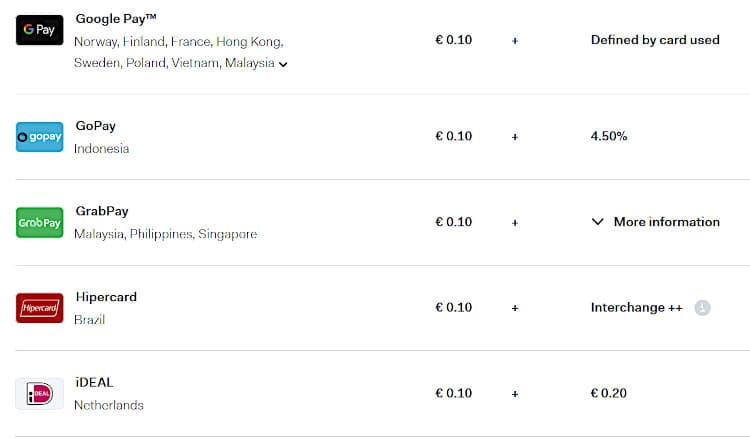
Adyen supports a wide range of credit cards, including Visa, MasterCard, American Express, and various local payment methods depending on the region.
How secure are Adyen’s payment transactions?
Adyen employs advanced security measures, including encryption and tokenization, to ensure that all payment transactions are secure and compliant with industry standards.
Can businesses customize their payment pages with Adyen?
Yes, businesses can customize their payment pages to align with their brand identity, offering a seamless experience for customers during checkout.
Is there a mobile payment option available with Adyen?
Absolutely, Adyen provides mobile payment options that allow customers to make transactions using their smartphones through various mobile wallets and apps.
What is the process for resolving payment disputes with Adyen?

Adyen facilitates a structured dispute resolution process, allowing merchants to manage and respond to disputes efficiently through their platform.