Merchant credit card payment processing is a crucial component of modern business, driving sales and enhancing customer experiences. As commerce continues to evolve, understanding the intricacies of this process becomes essential for any business looking to thrive in a competitive market.
From the technology behind payment gateways to the fees that can affect your bottom line, there’s much to explore. This overview will guide you through the essentials of merchant credit card processing, ensuring you’re well-equipped to handle transactions efficiently and securely.
Technology has come a long way, transforming our lives in ways that were once unimaginable. From the invention of the wheel to the rise of artificial intelligence, the evolution of technology is a fascinating story of human ingenuity, creativity, and the relentless pursuit of progress. In this article, we will explore the major milestones in technological advancement, the impact of these changes on society, and what the future may hold.
1. The Dawn of Human Innovation
The story of technology begins with the earliest humans who utilized simple tools to improve their daily lives. The creation of the wheel around 3500 B.C. is often cited as one of the most significant advancements in human history. This innovation not only revolutionized transportation but also paved the way for trade and commerce. As civilizations grew, so did the complexity of their technologies.
2. The Age of Agriculture
Approximately 10,000 years ago, the Agricultural Revolution marked a pivotal moment in human history. The domestication of plants and animals allowed societies to transition from nomadic lifestyles to settled farming communities. This shift enabled the development of surplus food production, which in turn supported population growth and led to the rise of cities and civilizations. Technologies such as plows and irrigation systems were developed to enhance agricultural productivity.
3. The Industrial Revolution
The 18th and 19th centuries witnessed the Industrial Revolution, a period characterized by the transition from agrarian economies to industrialized ones. The introduction of steam power, mechanized manufacturing, and the factory system drastically changed the landscape of work and society. Inventions like the spinning jenny and the steam engine not only increased production efficiency but also transformed transportation with the advent of railways and steamships.
4. The Information Age
Fast forward to the late 20th century, and we find ourselves in the Information Age, where computers and the internet have become integral to our everyday lives. The invention of the personal computer in the 1970s and the subsequent rise of the internet in the 1990s set the stage for a digital revolution. This era has reshaped communication, commerce, and even entertainment, giving rise to a global interconnectedness previously thought impossible.
5. The Rise of Mobile and Smart Technologies
The 21st century has ushered in an era dominated by mobile and smart technologies. With the proliferation of smartphones, tablets, and wearable devices, technology has become more personal and accessible than ever. These devices have changed the way we interact with the world, allowing us to stay connected on the go, access information instantly, and manage our daily lives with the help of apps.
The development of smart home technology has further integrated technology into our living spaces, enhancing convenience and efficiency.
6. Artificial Intelligence and Automation
As we move deeper into the 21st century, artificial intelligence (AI) and automation are at the forefront of technological advancement. AI is transforming industries by enabling machines to learn, adapt, and perform tasks that traditionally required human intelligence. From virtual assistants like Siri and Alexa to sophisticated algorithms driving autonomous vehicles, AI is rapidly reshaping the workforce and our daily interactions.
While this presents exciting possibilities, it also raises important questions about job displacement and ethical considerations surrounding AI technology.
7. The Future of Technology
Looking ahead, the future of technology promises to be both exciting and challenging. Emerging fields such as biotechnology, quantum computing, and renewable energy are poised to redefine our understanding of what is possible. As we face global challenges such as climate change and public health crises, innovative technology will play a crucial role in finding sustainable solutions. However, it is essential to approach these advancements with caution, ensuring that they are developed responsibly and ethically.
8. Conclusion
Embracing Change
The evolution of technology is a testament to human creativity and resilience. Each advancement has built upon the last, leading us to a point where we can imagine a future filled with limitless possibilities. As we continue to explore new frontiers and embrace change, it is vital to remain mindful of the implications of technological progress on our society and the world at large.
In conclusion, technology is not just a collection of tools; it is a catalyst for change that has the power to enhance our lives and shape our future. As we navigate this ever-evolving landscape, let us strive to harness technology for the greater good, fostering innovation that benefits all of humanity.
Top FAQs
What is merchant credit card payment processing?
It is the way businesses accept credit card payments from customers through various methods like online platforms or physical point-of-sale systems.
How long does it take to set up credit card processing?
Typically, it can take anywhere from a few days to a couple of weeks, depending on the provider and the complexity of the setup.
What fees are associated with credit card processing?
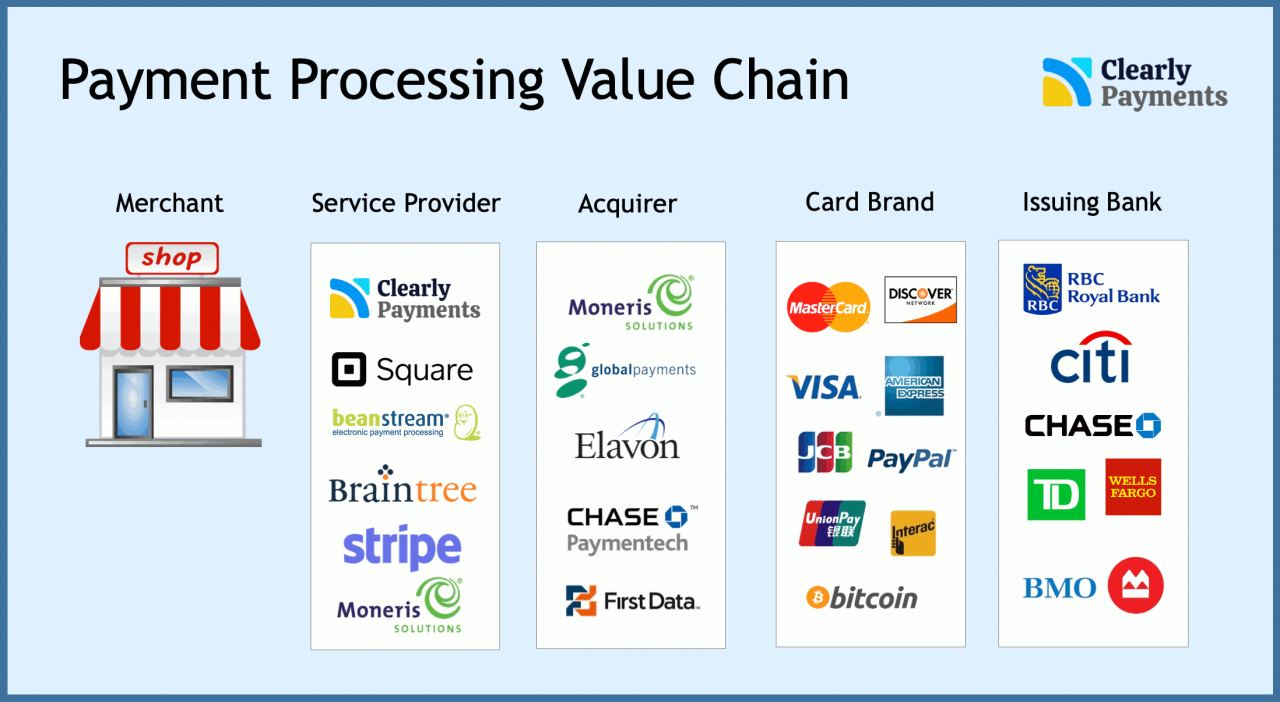
Common fees include transaction fees, monthly service fees, and chargeback fees, which can vary significantly between providers.
Can I use credit card processing for online sales?
Yes, most merchant services offer solutions specifically designed for e-commerce, allowing businesses to process credit card payments online.
What security measures should I consider for credit card processing?
Look for providers that offer encryption, tokenization, and PCI compliance to protect customer data during transactions.