As credit card payment processing online takes center stage, this opening passage beckons readers into a world crafted with good knowledge, ensuring a reading experience that is both absorbing and distinctly original.
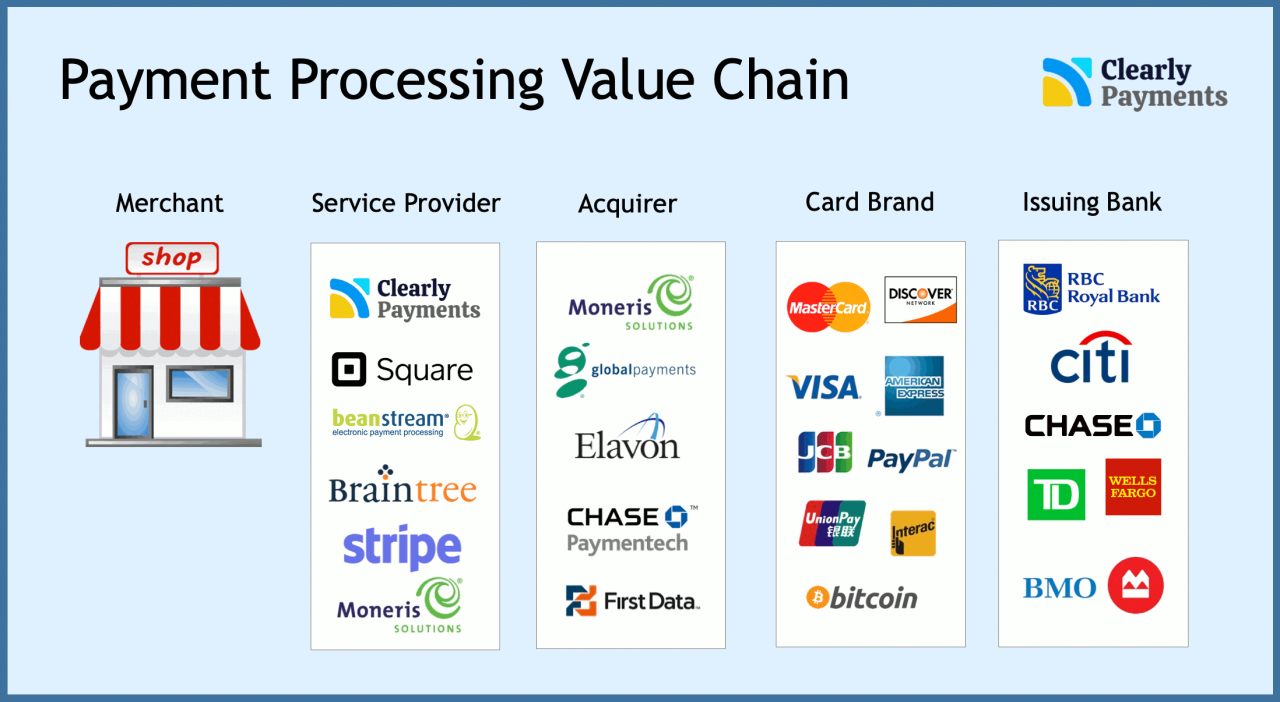
In today’s digital age, understanding how credit card payment processing online works is essential for businesses and consumers alike. This process not only provides convenience but also opens the door to a broader customer base, enabling seamless transactions across various platforms. With the rise of e-commerce, exploring the mechanisms behind credit card processing has never been more relevant, shedding light on the technology and practices that facilitate financial exchanges in a secure environment.
In today’s fast-paced world, the importance of clear and effective communication cannot be overstated. Whether it’s in a professional setting, social interactions, or even casual conversations, the ability to convey ideas clearly and concisely is a valuable skill. This article will delve into the various aspects of effective communication, exploring its significance, the barriers that can hinder it, and tips for improving one’s communication skills.To begin, let’s define what effective communication really is.
At its core, effective communication is the exchange of information in a way that is understood by all parties involved. This involves not just the words spoken but also the tone, body language, and context of the conversation. Effective communicators are those who can articulate their thoughts clearly while also being attentive listeners, ensuring that the interaction is a two-way street.One significant aspect of communication is the role of active listening.
Active listening goes beyond just hearing the words that someone is saying; it involves engaging with the speaker, understanding their message, and responding thoughtfully. This means putting aside distractions, maintaining eye contact, and providing feedback that shows you are paying attention. By doing so, you not only foster a strong connection with the person speaking but also enhance your understanding of the message being conveyed.
Moreover, the choice of words plays a crucial role in effective communication. Using jargon or overly complex language can alienate your audience. It’s essential to tailor your language to suit your audience. For instance, if you are discussing a technical topic with experts, using specific terminology may be appropriate. However, if the audience is not familiar with the subject matter, simplifying the language can make a significant difference in how well your message is received.
Another vital component of effective communication is non-verbal communication. Body language, facial expressions, and gestures can all convey information that complements or contradicts what is being said. For example, crossing arms may imply defensiveness, while open body posture can suggest receptiveness. Being aware of your own body language and that of your conversation partner can help you better interpret messages and respond accordingly.However, despite the best efforts, communication can sometimes break down due to various barriers.
These barriers might include cultural differences, language proficiency, emotional states, and even physical distractions. It’s essential to identify these barriers and find ways to overcome them. For instance, when communicating with someone from a different culture, being mindful of cultural norms and practices can be crucial in ensuring the message is effectively conveyed.In addition to this, emotional intelligence plays a significant role in effective communication.
Being aware of your own emotions and those of others can drastically affect the outcome of a conversation. Emotional intelligence involves recognizing emotional cues and responding appropriately. In situations where tensions are high, remaining calm and composed can help de-escalate conflicts and facilitate a more productive dialogue.Furthermore, feedback is an integral part of the communication process. Providing constructive feedback can help improve understanding and performance in various situations, such as in the workplace or during collaborative projects.
When giving feedback, it’s important to be specific and focus on the behavior rather than the individual. This approach encourages growth and development rather than defensiveness and discouragement.Now that we have explored the components and barriers to effective communication, let’s discuss some practical tips for improving your communication skills. One effective strategy is to practice mindfulness. Being present in the moment allows you to focus fully on the conversation and respond thoughtfully rather than reactively.
It helps in managing stress and anxiety, which can often cloud your judgment during interactions.Additionally, role-playing scenarios can be a helpful way to prepare for difficult conversations. By practicing with a friend or colleague, you can gain confidence in your communication abilities and receive valuable feedback. This preparation can be especially useful for handling challenging conversations, such as giving negative feedback or addressing conflict.Another practical tip is to read widely and expose yourself to different communication styles.
Whether through books, articles, or speeches, observing how others convey their messages can provide insights into effective techniques and approaches. Additionally, engaging in discussions and debates can sharpen your ability to articulate your thoughts and respond to diverse viewpoints.Lastly, it’s vital to be patient with yourself and others. Communication is a skill that requires practice and ongoing development. Acknowledging that misunderstandings can occur and that everyone is continually learning can create a more open environment for dialogue.In conclusion, effective communication is a multifaceted skill that is essential in various aspects of life.
By honing your ability to listen actively, choose your words wisely, and be aware of non-verbal cues, you can significantly improve your interactions with others. Understanding and overcoming barriers to communication, along with cultivating emotional intelligence, are equally important. By implementing practical strategies and being patient with the process, anyone can enhance their communication abilities and foster stronger connections with those around them.
In a world that thrives on collaboration and understanding, the power of effective communication cannot be underestimated.
FAQ Resource
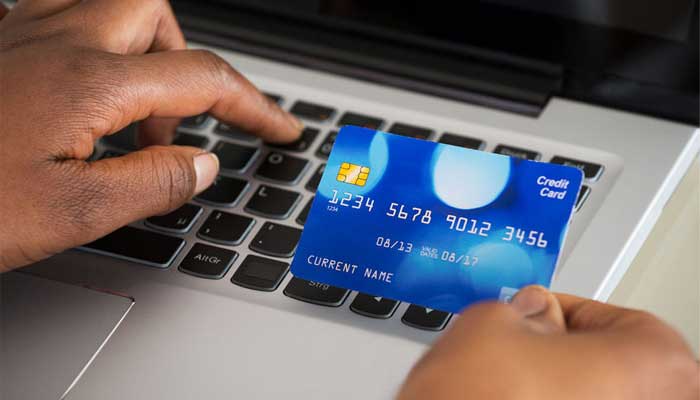
What is credit card payment processing?
Credit card payment processing refers to the steps involved in handling credit card transactions, including authorization, settlement, and fund transfer to the merchant’s account.
How long does it take for credit card payments to process?
The processing time can vary but typically takes between a few seconds to a couple of days, depending on the bank and payment processor.
Are online credit card transactions secure?
Yes, online credit card transactions use encryption and secure protocols to protect sensitive information, although it’s essential to ensure you’re using secure websites.
What fees are associated with credit card processing?
Fees can include transaction fees, monthly fees, and chargeback fees, which vary by payment processor and merchant agreement.
Can I process credit card payments without a website?
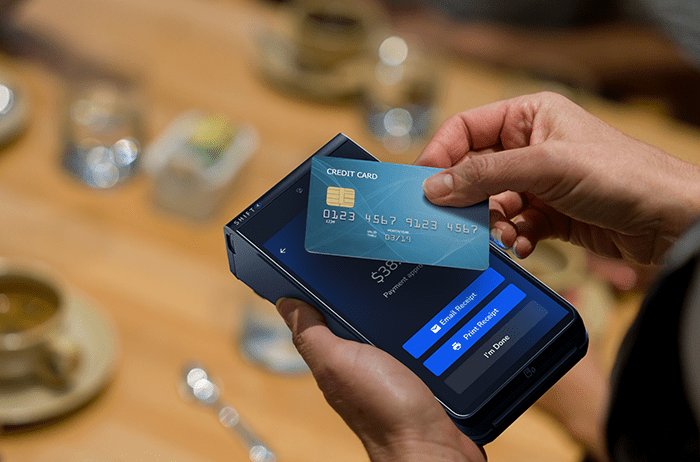
Yes, you can use mobile payment processing apps or virtual point-of-sale systems to accept credit card payments without a traditional website.