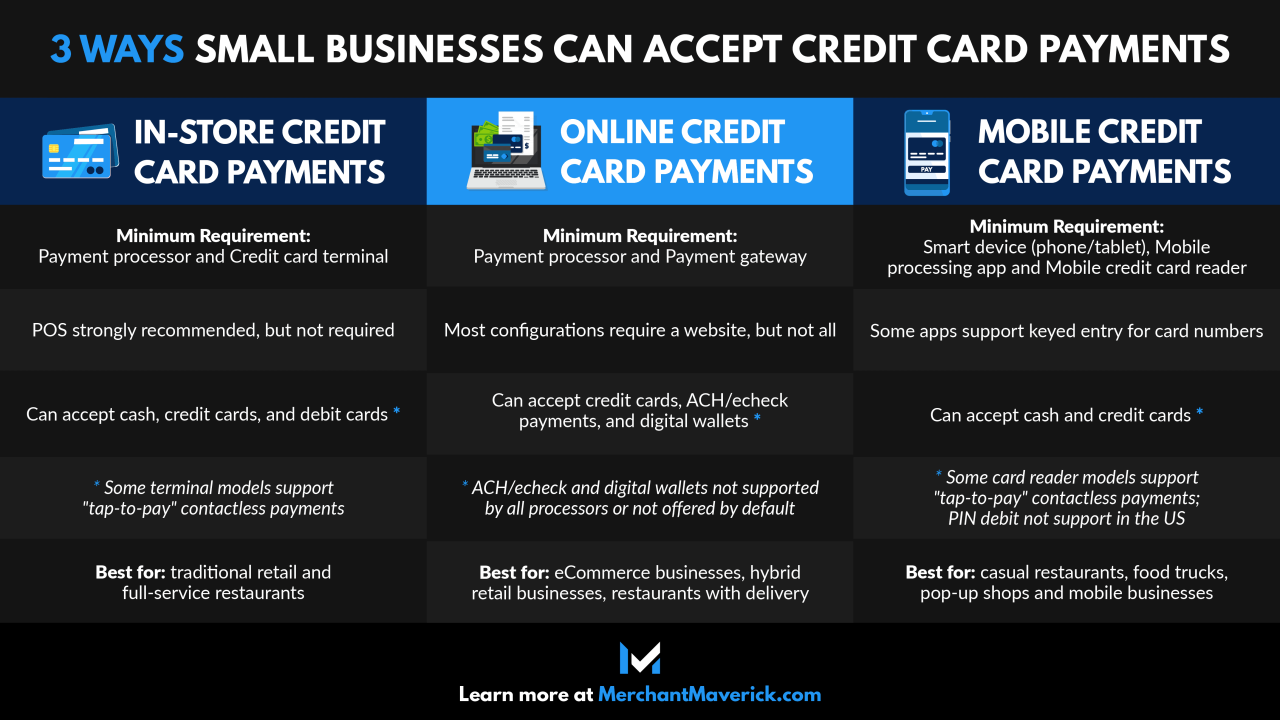
Small business accept credit card payments has become a game changer in the retail landscape, enabling entrepreneurs to enhance their sales potential. With an increasing number of customers preferring the convenience of card transactions, it is crucial for small businesses to adapt and incorporate this payment method into their operations. Not only does accepting credit card payments facilitate smoother transactions, but it also helps in building customer trust and loyalty.
In today’s fast-paced world, consumers expect flexibility when it comes to payment options. By embracing credit card payments, small businesses can not only meet these expectations but also increase their customer base and boost overall revenue.
In the ever-evolving landscape of technology, one of the most significant advancements has been the rise of artificial intelligence (AI). With its roots tracing back to the mid-20th century, AI has transformed from a theoretical concept into a practical tool that enhances various aspects of our daily lives. This article delves into the fascinating world of AI, exploring its history, applications, benefits, challenges, and the future it holds for society.### The Evolution of Artificial IntelligenceThe concept of artificial intelligence first emerged in the 1950s when computer scientists began exploring the possibility of creating machines that could think and learn like humans.
Pioneering figures such as Alan Turing and John McCarthy laid the groundwork for AI research. Turing’s famous test aimed to measure a machine’s ability to exhibit intelligent behavior indistinguishable from that of a human, while McCarthy coined the term “artificial intelligence” in 1956.Throughout the decades, AI experienced ebbs and flows, often referred to as “AI winters” and “AI springs,” periods of optimism followed by disillusionment.
However, the resurgence of machine learning and the availability of vast amounts of data in the 21st century sparked a new wave of innovation. Today, AI is not just a concept confined to academic research; it is a driving force behind many technologies that shape our world.### Applications of AIArtificial intelligence is incredibly versatile and finds applications across numerous fields.
Here are some notable areas where AI is making a significant impact:
1. Healthcare
AI is revolutionizing healthcare by improving diagnostics, personalizing treatment plans, and predicting patient outcomes. Machine learning algorithms analyze medical images, helping radiologists detect anomalies with enhanced accuracy. Virtual health assistants and chatbots also provide patients with 24/7 access to medical advice.
2. Finance
In the financial sector, AI algorithms are utilized for fraud detection, algorithmic trading, and risk assessment. By analyzing vast datasets in real time, AI can identify suspicious transactions and patterns that may indicate fraud, thus protecting consumers and financial institutions alike.
3. Transportation
Autonomous vehicles represent one of the most promising applications of AI. Companies like Tesla and Waymo are developing self-driving cars that use AI to navigate complex environments. This technology has the potential to reduce traffic accidents, improve traffic flow, and revolutionize public transport systems.

4. Retail
AI enhances the shopping experience through personalized recommendations and inventory management. E-commerce platforms utilize algorithms to analyze customer behavior, suggesting products tailored to individual preferences. Additionally, AI-driven supply chain management optimizes inventory levels, reducing costs and waste.
5. Entertainment
Streaming services leverage AI to curate content for users based on their viewing history and preferences. AI algorithms analyze user data to recommend films, shows, and music, creating a more engaging and personalized entertainment experience.### Benefits of Artificial IntelligenceThe benefits of AI are manifold, and its implementation can lead to increased efficiency, cost savings, and improved quality of life.
Here are some key advantages:
Increased Efficiency
AI systems can process vast amounts of data at speeds far beyond human capability. This efficiency allows organizations to streamline operations, reduce errors, and enhance productivity.
Enhanced Decision-Making
AI provides data-driven insights that assist in informed decision-making. By analyzing trends and patterns, AI helps businesses and individuals make strategic decisions backed by robust data analysis.
Personalization
AI enables a level of personalization that enhances user experiences. From tailored marketing messages to customized product recommendations, AI allows companies to connect with consumers on a more meaningful level.
Automation of Repetitive Tasks
By automating mundane and repetitive tasks, AI frees up human resources to focus on more complex and creative endeavors. This shift not only enhances job satisfaction but also fosters innovation.### Challenges and Ethical ConsiderationsDespite its numerous advantages, the rise of AI also brings forth challenges and ethical considerations. Some of the most pressing issues include:
Job Displacement
As AI automates various tasks, there is concern over job displacement across industries. While AI may create new job opportunities, there is a fear that many workers may be left behind without the necessary skills to adapt.
Bias and Fairness
AI systems are trained on historical data, which can inadvertently perpetuate biases present in that data. This raises concerns over fairness and equity, particularly in applications such as hiring and law enforcement.
Privacy Concerns
The collection and analysis of vast amounts of personal data by AI systems raise significant privacy concerns. Individuals may feel uneasy about how their data is used and shared, necessitating robust data protection measures.
Accountability
As AI systems make decisions that impact people’s lives, questions of accountability arise. Determining who is responsible for the actions of an AI—be it developers, organizations, or the AI itself—remains a complex legal and ethical challenge.### The Future of AILooking ahead, the future of AI holds immense potential. As technology continues to advance, we can expect even more sophisticated AI systems that can understand context, emotions, and human behavior.
Some exciting developments on the horizon include:
General AI
While current AI systems are designed for specific tasks (known as narrow AI), researchers are working towards developing general AI—machines that possess the ability to understand and learn any intellectual task that a human can.
Human-Machine Collaboration
The future will likely see enhanced collaboration between humans and AI. Rather than replacing humans, AI will serve as an augmentation tool, enabling people to work more efficiently and creatively.
Societal Impact
As AI becomes more integrated into our lives, its impact on society will be profound. From transforming education to addressing climate change, the potential applications of AI are vast and varied.### ConclusionArtificial intelligence has come a long way since its inception and continues to reshape the way we live, work, and interact. While the benefits of AI are undeniable, it is crucial to navigate the challenges and ethical considerations thoughtfully.

By fostering responsible AI development and addressing potential pitfalls, we can harness the power of AI to create a brighter and more equitable future for all. As we stand on the brink of this technological revolution, embracing AI’s possibilities while remaining vigilant about its implications will be key to leveraging its full potential.
Expert Answers
Why should my small business accept credit card payments?
Accepting credit card payments can significantly increase sales by providing customers with a convenient payment option and can help attract more clients.
What are the costs involved in accepting credit card payments?
Costs typically include transaction fees, monthly service fees, and potential equipment costs for payment processing terminals.
How do I set up credit card payment acceptance?
You can set up credit card payments by choosing a payment processor, acquiring necessary equipment, and integrating payment systems with your sales channels.
Are there any security concerns with accepting credit card payments?
Yes, security is paramount; businesses should ensure they comply with PCI DSS standards to protect customer data and maintain trust.
Can I accept credit card payments online?
Absolutely, many payment processors offer solutions for online transactions, allowing you to accept credit card payments through your website or e-commerce platform.