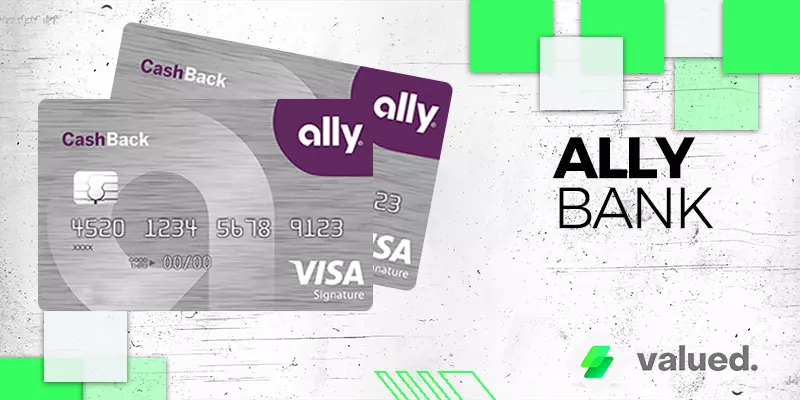
Kicking off with ally financial debit card payment, navigating your financial transactions has never been more straightforward. This payment method offers a seamless experience, allowing users to manage their finances with ease and efficiency. Whether you’re buying groceries or shopping online, the ally financial debit card ensures your payments are secure and convenient.
With features designed to enhance user experience, the ally financial debit card is quickly becoming a preferred choice for many. From easy balance tracking to robust fraud protection, let’s delve deeper into how this payment option can streamline your financial activities and support your budgeting needs.
In today’s fast-paced society, effective communication has never been more important. Whether it’s in a personal relationship, within a professional setting, or across social media platforms, the way we convey our thoughts and ideas can significantly impact our interactions and outcomes. This article delves into the nuances of communication, exploring its various forms, the role of technology, and how we can enhance our communication skills for better connectivity.
Understanding Communication
At its core, communication is the act of transferring information from one party to another. It encompasses a wide array of channels, including verbal, non-verbal, written, and visual methods. Each mode of communication has its strengths and weaknesses, and understanding these can help individuals choose the most effective method for their message.
Verbal Communication
Verbal communication involves the use of spoken or written words to convey messages. It can be categorized into two types: formal and informal. Formal communication often occurs in professional settings, where clarity and structure are paramount. In contrast, informal communication is more relaxed and typically seen in casual conversations among friends or family.
Regardless of the context, verbal communication requires a keen understanding of tone, pace, and clarity. The way we articulate our thoughts can influence how our message is received. For instance, a confident tone can enhance the credibility of the speaker, while a hesitant approach may raise doubts about their expertise.
Non-Verbal Communication
Non-verbal communication is equally vital and often conveys more than words can express. This includes body language, facial expressions, gestures, and even silence. Research suggests that a significant portion of communication effectiveness is derived from non-verbal cues. A smile can create a welcoming atmosphere, while crossed arms may indicate defensiveness or discomfort.
Being aware of non-verbal signals can greatly improve the quality of our interactions. For example, maintaining eye contact during a conversation fosters trust and shows engagement. Conversely, failing to do so may suggest disinterest or dishonesty.
The Impact of Technology
In recent years, technology has transformed the landscape of communication. Social media platforms, instant messaging, and video conferencing tools have made it easier to connect with others, regardless of distance. However, this convenience comes with its own set of challenges.
One major issue is the potential for miscommunication. Text messages and emails lack the tone and body language present in face-to-face interactions, which can lead to misunderstandings. It’s essential to be mindful of how our words may be interpreted in digital formats.
Moreover, the rise of social media has altered the way we present ourselves to the world. Curated profiles and highlight reels can create unrealistic expectations and foster feelings of inadequacy among peers. Striking a balance between authenticity and presentation is crucial in the digital age.
Enhancing Communication Skills
Improving communication skills is an ongoing process. Here are some strategies to enhance your ability to convey messages effectively:
- Practice Active Listening: Listening is just as important as speaking. By actively engaging with the speaker, asking questions, and providing feedback, you demonstrate that you value their perspective.
- Be Clear and Concise: Aim to articulate your thoughts as clearly and succinctly as possible. Avoid jargon or overly complex language that may confuse your audience.
- Adjust Your Communication Style: Tailor your approach based on your audience. Understanding their background, preferences, and expectations can help facilitate a more productive exchange.
- Seek Feedback: Don’t hesitate to ask for feedback on your communication style. This can provide valuable insights into how others perceive your messages and help you identify areas for improvement.
The Power of Empathy
Empathy plays a crucial role in effective communication. By putting ourselves in others’ shoes, we can better understand their emotions and perspectives. This understanding fosters compassion and helps create a supportive environment for open dialogue.
When we communicate with empathy, we validate others’ feelings and experiences, which can lead to deeper connections. This is particularly important in resolving conflicts, as it encourages collaboration rather than confrontation.
Conclusion
Mastering the art of communication is essential in navigating the complexities of modern life. By honing our verbal and non-verbal skills, leveraging technology thoughtfully, and practicing empathy, we can enhance our interactions and forge meaningful connections. In a world where communication is vital, the ability to express ourselves clearly and effectively is truly invaluable.
FAQ Guide
What are the fees associated with the ally financial debit card?
The ally financial debit card typically has no monthly fees, but it’s essential to check for any potential ATM usage fees or foreign transaction fees.
How can I track my spending with the ally financial debit card?
You can easily track your spending through the ally financial mobile app or online banking platform, which provides real-time updates on your transactions.
Is there a limit on how much I can spend with the card?
Yes, there are daily spending limits, which are designed to protect against fraud and ensure responsible spending. It’s best to check with ally financial for specific limits.
Can I use my ally financial debit card internationally?
Yes, the ally financial debit card can be used internationally, but be aware of any foreign transaction fees that may apply.
What should I do if my ally financial debit card is lost or stolen?
If your card is lost or stolen, immediately report it to ally financial’s customer service to prevent unauthorized transactions and request a replacement card.