Pay now buy later sets the stage for this enthralling narrative, offering insights into a retail revolution that empowers consumers to manage their finances more effectively. This modern approach to shopping allows individuals to enjoy immediate access to products while deferring payment, creating a win-win situation for both shoppers and retailers alike.
As traditional payment methods evolve, the pay now buy later model stands out by providing flexibility and convenience. From trendy apparel to essential home goods, this payment option redefines purchasing behavior, making it a critical topic in today’s consumer landscape.
In the wake of recent global events, remote work has surged to the forefront of how we conduct business. Once a niche option mostly favored by freelancers and select tech companies, it has now become a primary mode of operation for countless organizations worldwide. This article delves into the evolution, benefits, challenges, and future of remote work, providing a comprehensive look at this paradigm shift in how we approach our professional lives.
A Brief History of Remote Work
The concept of remote work isn’t as novel as it may seem. Its roots can be traced back to the early 20th century, when telecommuting was first introduced as a way to allow employees to work from home, using telephones and later, computers. However, it remained on the fringes of corporate culture until the advent of the internet. The late 1990s and early 2000s saw a gradual increase in telecommuting options, primarily within the tech sector.
Fast forward to 2020, when the COVID-19 pandemic forced companies worldwide to adapt to remote work almost overnight. The necessity of maintaining business continuity during lockdowns led to rapid technological advances and a cultural shift that may have otherwise taken years to achieve. Organizations that once resisted remote work found themselves implementing policies to support a distributed workforce, leveraging tools like Zoom, Slack, and Asana to facilitate collaboration.
The Benefits of Remote Work
As organizations embraced this new way of working, they began to recognize the myriad benefits that remote work can offer. One of the most significant advantages is the flexibility it provides. Employees can tailor their work environments to suit their personal preferences, whether that means working from home in pajamas or relocating to a sun-soaked destination. This flexibility often results in increased job satisfaction and better work-life balance.
Cost savings also play a critical role in the appeal of remote work. Organizations can save significantly on overhead costs associated with maintaining physical office spaces, such as rent, utilities, and office supplies. In turn, employees can save on commuting costs and other expenses related to working in an office, like professional wardrobe requirements.
Moreover, remote work opens the door to a more diverse talent pool. Employers are no longer restricted to hiring talent from their immediate geographic area. Instead, they can tap into a global workforce, allowing them to find the best candidates, regardless of location. This diversity can lead to increased creativity and innovation within teams.
Challenges Faced by Remote Workers
While the transition to remote work has brought about numerous benefits, it has not been without its challenges. One of the most prominent issues is the potential for isolation. Without the daily interactions that occur in a traditional office, remote workers can experience feelings of loneliness and disconnection. This can be detrimental to mental health and overall job satisfaction.
Another challenge is the blurring of boundaries between work and personal life. Many remote workers find it difficult to “switch off,” leading to longer working hours and an increased risk of burnout. To combat this, companies are encouraged to promote a healthy work-life balance by setting clear expectations regarding work hours and encouraging regular breaks.
Furthermore, communication can become a hurdle in remote settings. Relying heavily on digital communication tools can lead to misunderstandings and misinterpretations. It’s crucial for organizations to establish effective communication protocols that foster clarity and encourage open dialogue among team members.
Best Practices for Successful Remote Work
To ensure successful remote work arrangements, both employees and employers can adopt certain best practices. For employees, creating a dedicated workspace can help signify the change from personal to professional mode. This space should be comfortable, well-equipped, and free from distractions.
Employers, on the other hand, should prioritize regular check-ins and virtual team-building activities. These initiatives can help cultivate a sense of community and keep morale high. Additionally, providing resources for mental health support and promoting wellness programs can contribute to a healthier remote work environment.
The Future of Remote Work
As we look to the future, it is clear that remote work is likely here to stay. Many organizations are adopting hybrid models, where employees can choose between working in the office and remotely, blending the benefits of both worlds. This flexibility is expected to be a significant factor in attracting and retaining talent in the coming years.
Furthermore, advancements in technology will continue to enhance the remote work experience. Tools that improve collaboration, project management, and employee engagement are rapidly evolving, making remote work more efficient and enjoyable. The ongoing development of virtual reality and augmented reality technologies could even reshape remote collaboration, creating immersive experiences that bridge the gap between face-to-face and online interactions.
Conclusion
The rise of remote work represents a profound shift in the professional landscape, one that offers both opportunities and challenges. As organizations continue to navigate this new terrain, it is essential to foster a culture that prioritizes communication, flexibility, and well-being. By doing so, companies can leverage the full potential of remote work, creating a more engaged and productive workforce.
The future of work is undoubtedly changing, and embracing these changes can lead to a more resilient and adaptive professional environment.
Question & Answer Hub
What is pay now buy later?

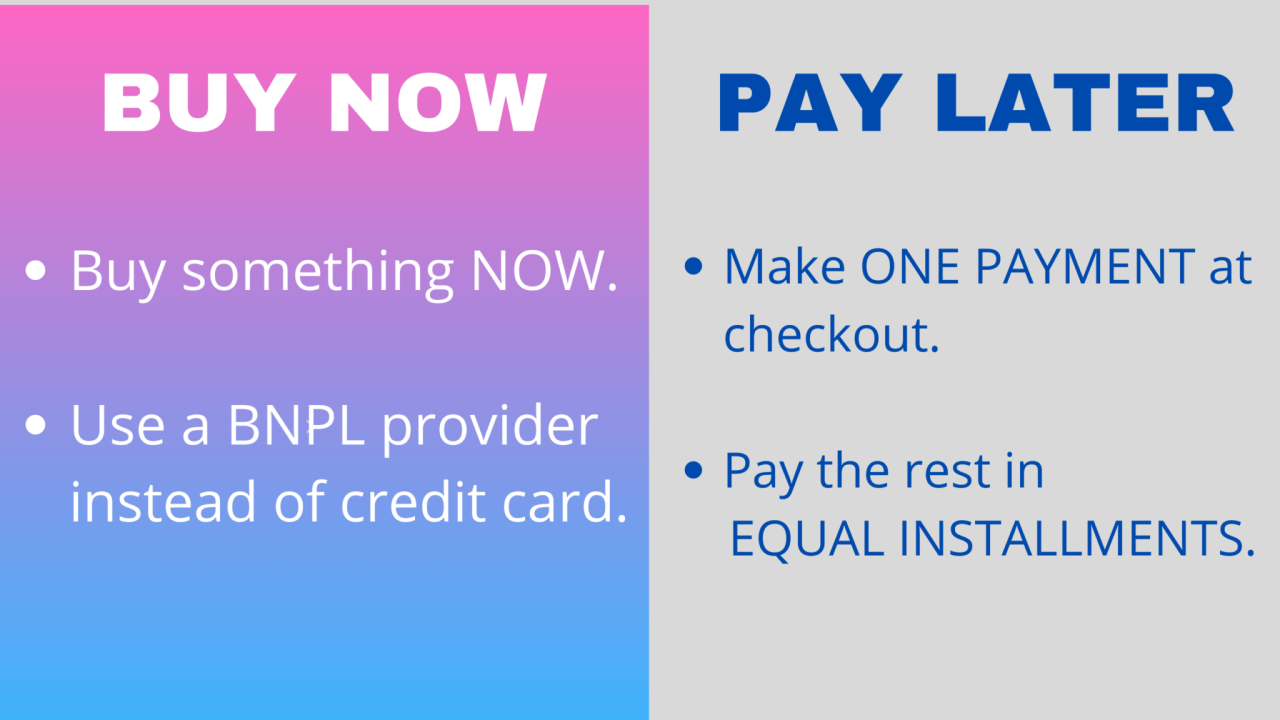
It is a payment model that allows consumers to make purchases immediately while deferring payment for a later date.
How does pay now buy later work?
Consumers select this option at checkout, receive the product, and then pay the agreed amount in installments or by a specified date.

Are there any fees associated with pay now buy later?
Some providers may charge fees or interest, so it’s important to read the terms before committing.
Can anyone use pay now buy later services?
Generally, yes, but eligibility may depend on the retailer and the consumer’s creditworthiness.
Is pay now buy later a good option for budgeting?
It can be beneficial if used responsibly, as it allows consumers to spread out payments without accruing high-interest debt.