Kicking off with 2024 gartner magic quadrant for analytics and business intelligence platforms, this overview delves into the evolving landscape of analytics and BI. With organizations increasingly relying on data-driven decisions, understanding the leading platforms becomes crucial for businesses aiming to enhance their insights and performance.
This year’s Magic Quadrant brings to light the key players in the industry, evaluating their capabilities and market positions. By analyzing various providers based on their completeness of vision and ability to execute, stakeholders can make informed choices tailored to their specific needs.
In our fast-paced world, the conversation around mental health has gained significant traction. No longer is it viewed as a taboo subject; instead, awareness campaigns and public discussions are shedding light on the critical role mental wellness plays in overall health. Mental health encompasses our emotional, psychological, and social well-being, influencing how we think, feel, and act in our daily lives.
It also affects how we handle stress, relate to others, and make choices. This article delves into the importance of mental health, the stigma surrounding it, and how we can foster a more supportive community.
Understanding Mental Health
Mental health is as essential as physical health. Just as we seek medical attention for physical ailments, recognizing and addressing mental health issues is crucial. Various factors contribute to mental health challenges, including genetics, brain chemistry, trauma, and life experiences. Common mental health disorders include depression, anxiety, bipolar disorder, and schizophrenia. Each of these conditions can profoundly impact individuals’ lives, affecting their relationships, work, and overall quality of life.
The Stigma Surrounding Mental Health
Despite the growing awareness of mental health, stigma remains a significant barrier. Many individuals feel ashamed or embarrassed to seek help, fearing judgment or misunderstanding. This stigma can lead to isolation, making it even more challenging for those struggling with mental health issues to reach out for support. It is crucial to challenge these misconceptions and encourage open conversations about mental health.
Education is a powerful tool in dispelling myths and fostering understanding. By sharing personal stories and promoting empathy, we can create an environment where individuals feel safe discussing their mental health concerns.
Signs and Symptoms of Mental Health Issues
Recognizing the signs and symptoms of mental health issues is vital for early intervention. While each disorder has its unique characteristics, common signs include persistent sadness, withdrawal from social interactions, changes in appetite or sleep patterns, and difficulty concentrating. It’s essential to note that these symptoms can manifest differently in individuals, and the presence of one or more symptoms does not necessarily indicate a mental health disorder.
However, if these signs persist and impact daily functioning, seeking professional help is advisable.
The Role of Community Support
Community plays a significant role in supporting mental health. Strong social connections can act as a buffer against mental health challenges, providing individuals with a sense of belonging and purpose. Friends, family, and community organizations can offer support through active listening, encouragement, and resources. Initiatives like peer support groups and mental health awareness events foster a sense of community and encourage individuals to share their experiences.
By creating safe spaces for discussion and support, we can reduce stigma and promote mental wellness.
Promoting Mental Health Awareness
Awareness campaigns have become increasingly prevalent in recent years, aiming to educate the public about mental health. These initiatives often include workshops, seminars, and social media campaigns that share information and resources. Schools, workplaces, and community organizations play a pivotal role in implementing these programs. By integrating mental health education into curriculums and workplace training, we can equip individuals with the knowledge and skills needed to recognize and address mental health issues.
Self-Care Strategies for Mental Wellness
Taking care of mental health is a personal journey, and self-care is a vital component. Individuals can adopt various strategies to enhance their mental well-being. These may include practicing mindfulness, engaging in regular physical activity, maintaining a balanced diet, and ensuring adequate sleep. Additionally, hobbies and activities that bring joy can provide a positive outlet for stress. Journaling, meditation, and connecting with nature are also effective ways to promote mental wellness.
When to Seek Professional Help
While self-care is essential, there are times when professional help is necessary. If symptoms worsen or interfere with daily life, reaching out to a mental health professional is crucial. Therapists, psychologists, and psychiatrists can provide valuable support and treatment options tailored to individual needs. Therapy can take various forms, including cognitive-behavioral therapy, group therapy, and medication management. Seeking help is a sign of strength, and it can lead to significant improvements in mental well-being.
The Future of Mental Health
As society continues to evolve, the approach to mental health must adapt. The integration of technology in mental health care, such as teletherapy and mental health apps, is becoming more prevalent, offering accessible support to individuals. Reducing stigma and improving mental health literacy are crucial for future generations. By promoting open discussions, encouraging self-care, and prioritizing mental health in our communities, we can create a culture that values well-being and supports individuals in their mental health journeys.
Conclusion
Mental health is a vital aspect of our overall well-being, and it deserves attention and care. By understanding the importance of mental health, challenging stigma, and promoting awareness, we can foster a supportive environment for individuals facing mental health challenges. Through community support, education, and self-care strategies, we can work towards a society where mental health is prioritized and individuals are empowered to seek help.
Remember, mental health matters, and taking steps to nurture it can lead to a healthier, happier life.
Expert Answers
What is the Gartner Magic Quadrant?
The Gartner Magic Quadrant is a research methodology that provides a graphical representation of a market’s direction, maturity, and participants, assessing their performance and strategic positioning.
How often is the Magic Quadrant published?
The Magic Quadrant reports are typically published annually, offering updated insights into market trends and vendor capabilities.
Who should use the Magic Quadrant reports?
Organizations looking to invest in analytics and business intelligence solutions, as well as IT decision-makers, can benefit from these reports to guide their procurement processes.
What factors does Gartner consider in its evaluations?

Gartner evaluates vendors based on their ability to execute and completeness of vision, which includes considerations like product functionality, customer experience, and market share.
Are all vendors included in the Magic Quadrant?
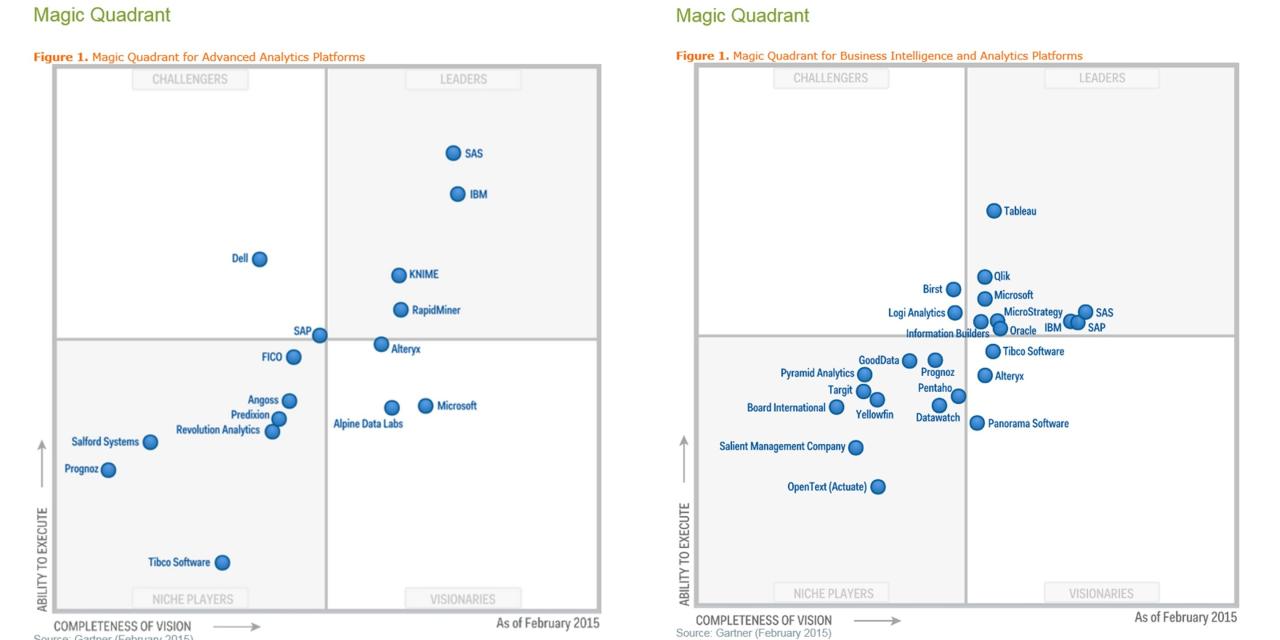
No, not all vendors are included; Gartner selects those that are significant players based on market presence, customer base, and innovation.