Pyramid business intelligence is revolutionizing the way organizations harness data to drive informed decision-making. As businesses increasingly rely on data-driven strategies, understanding the nuances of business intelligence becomes essential. This approach not only simplifies complex data but also helps in visualizing trends, uncovering insights, and fostering collaboration across teams.
With its focus on user-friendly interfaces and powerful analytical capabilities, pyramid business intelligence offers a comprehensive platform that adapts to various industry needs. By bridging the gap between data storage and actionable insights, it empowers users, from analysts to executives, to navigate through vast amounts of information effortlessly.
Effective communication is a crucial skill in any workplace setting. In an age where collaboration is key to success, mastering the art of conveying ideas, feedback, and information clearly can set an individual apart. This article delves into the various aspects of effective communication, its importance, and strategies to enhance this fundamental skill.
Understanding Effective Communication
At its core, effective communication involves the exchange of information in a way that is understood by all parties involved. It goes beyond just speaking and listening; it encompasses non-verbal cues, active listening, and the ability to adapt one’s message to suit the audience. In a diverse workplace, this becomes even more critical as teams often consist of individuals from various backgrounds and cultures.
Importance of Effective Communication
The significance of effective communication in a workplace cannot be overstated. Here are some reasons why it matters:
- Enhances Collaboration: When team members communicate effectively, they can work together more fluidly, leading to better collaboration and teamwork.
- Reduces Misunderstandings: Clear communication helps eliminate confusion and misunderstandings, which can hinder progress and create conflict.
- Boosts Morale: Open lines of communication foster a positive work environment where employees feel valued and heard, ultimately boosting morale.
- Improves Efficiency: When everyone is on the same page, tasks can be completed more efficiently, saving time and resources.
Key Components of Effective Communication
To communicate effectively, several components need to be considered:
- Clarity: The message should be clear and concise. Avoid jargon unless it is common knowledge among the audience.
- Active Listening: Listening is just as important as speaking. Engaging with the speaker, asking questions, and providing feedback shows that you value the conversation.
- Non-Verbal Communication: Body language, facial expressions, and eye contact play a significant role in conveying messages. Being aware of these cues can enhance understanding.
- Empathy: Understanding the perspectives and feelings of others can lead to more meaningful and productive conversations.
Strategies to Improve Communication Skills
Improving communication skills is an ongoing process. Here are several strategies that can help:
1. Practice Active Listening
Active listening is about fully concentrating on what is being said rather than just passively hearing the message. Try to listen without formulating your response while the other person is speaking. This not only helps in understanding the message better but also makes the speaker feel valued.
2. Be Clear and Concise
When delivering messages, aim for clarity. Use simple language and structure your thoughts logically. Avoid unnecessary details that may cloud the main point. Brevity can sometimes be more powerful than lengthy explanations.
3. Utilize Non-Verbal Cues
Be aware of your body language and facial expressions. They can convey messages just as strongly as words. Maintaining eye contact, nodding, and adopting an open posture can enhance your communication effectively.
4. Provide Constructive Feedback
When giving feedback, focus on being constructive rather than critical. Use the ‘sandwich’ approach: start with a positive statement, then provide your constructive criticism, and conclude with another positive note. This technique can soften the impact of criticism and encourages a growth mindset.
5. Tailor Your Message
Understand your audience and tailor your message accordingly. Different individuals may require different communication styles, whether they prefer detailed explanations or brief summaries. Adapting your approach can greatly enhance the effectiveness of your communication.
Overcoming Communication Barriers
Despite best efforts, communication barriers can still arise. Cultural differences, language barriers, and personal biases can impede effective communication. Here are some tips to overcome these challenges:
- Be Culturally Aware: Recognize that individuals from different backgrounds may have different communication styles. Being sensitive to these differences can help bridge gaps.
- Encourage Open Dialogue: Create an environment where team members feel comfortable sharing their thoughts without fear of judgment.
- Use Technology Wisely: In today’s digital world, leveraging tools like video conferencing, messaging apps, and collaboration software can enhance communication, especially in remote settings.
The Role of Leadership in Communication
Leaders play an essential role in fostering a culture of effective communication within their teams. They set the tone for how communication is perceived and practiced. Here’s how leaders can promote effective communication:
- Model Good Communication: Leaders should exemplify the communication standards they expect from their team. This includes being transparent, approachable, and receptive to feedback.
- Encourage Team Interaction: Organizing team-building activities can enhance relationships and promote open communication among team members.
- Provide Training Opportunities: Offering workshops or training on effective communication can equip employees with the necessary skills to communicate better.
Conclusion
Effective communication is a vital ingredient for success in the workplace. By understanding its importance, honing individual skills, and fostering an environment that promotes open dialogue, organizations can improve collaboration, reduce misunderstandings, and boost overall morale. Remember, good communication is not just about exchanging information; it’s about building relationships and creating a cohesive team.
Q&A
What is pyramid business intelligence?

Pyramid business intelligence is a framework that focuses on managing and analyzing data to provide actionable insights for organizations.
How does pyramid business intelligence differ from traditional BI?
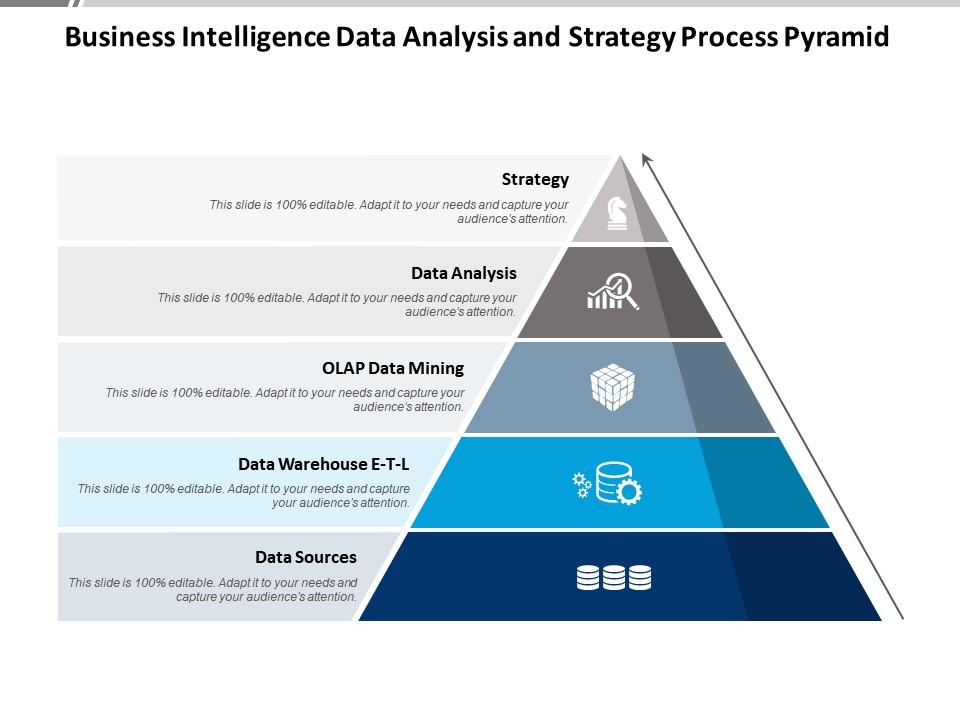
It emphasizes a more user-friendly experience and integrates advanced analytical tools, making data exploration accessible to everyone.
What industries benefit from pyramid business intelligence?
Virtually any industry can benefit, including finance, healthcare, retail, and manufacturing, as it provides tailored insights specific to diverse operational needs.
Is training necessary to use pyramid business intelligence?
While it’s designed for usability, some training can enhance user proficiency and maximize the platform’s capabilities.
Can pyramid business intelligence be integrated with existing systems?
Yes, it offers integration options that allow it to work seamlessly with various data sources and software tools.