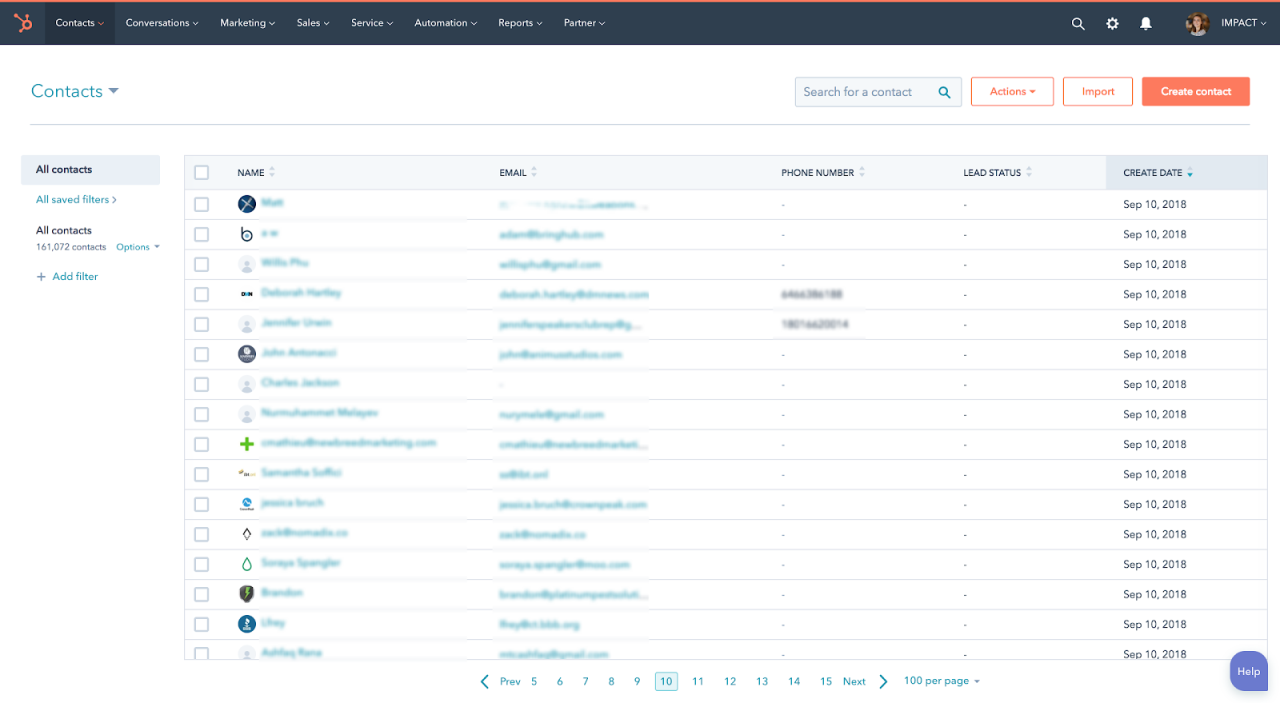
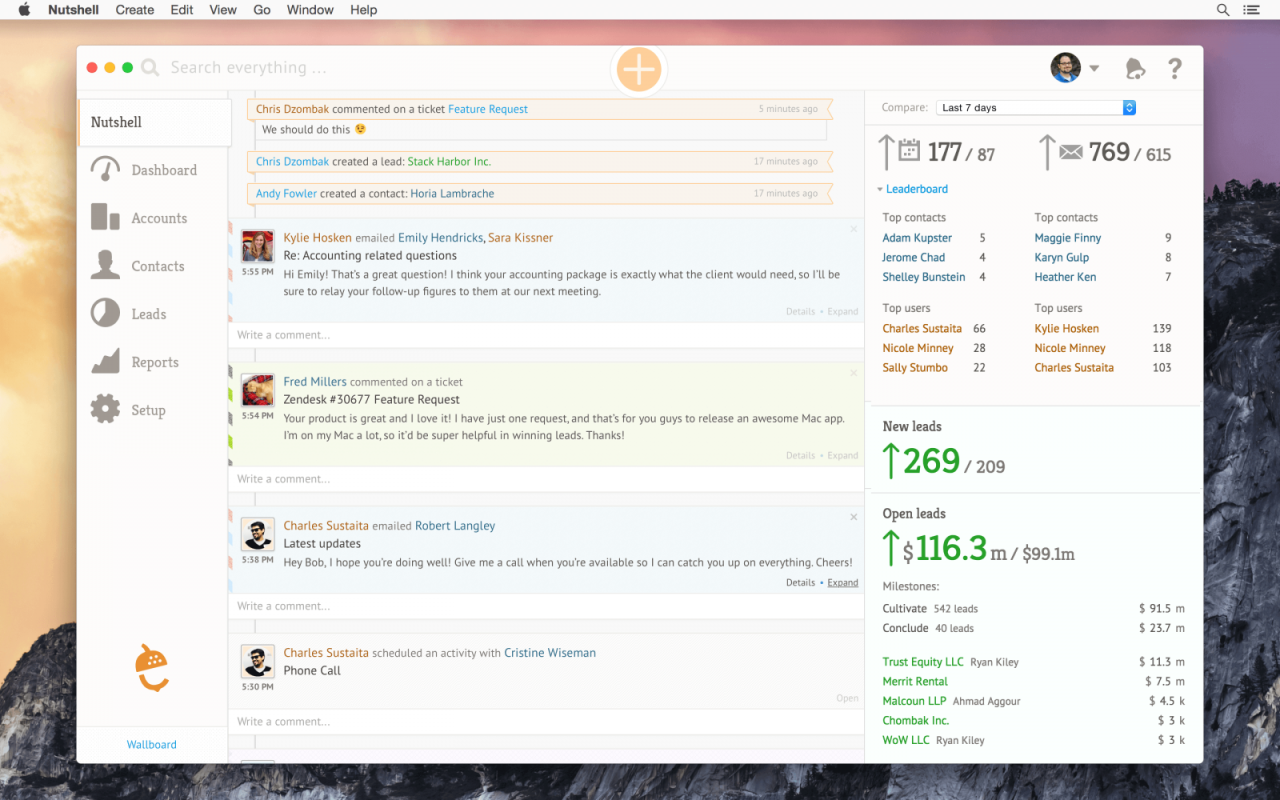
With best simple crm software leading the charge, businesses are transforming how they manage customer relationships effortlessly. The right CRM solution not only simplifies tasks but also enhances communication and streamlines processes for increased productivity. As organizations navigate the complexities of customer interactions, having a reliable tool becomes essential in building lasting connections and driving growth.
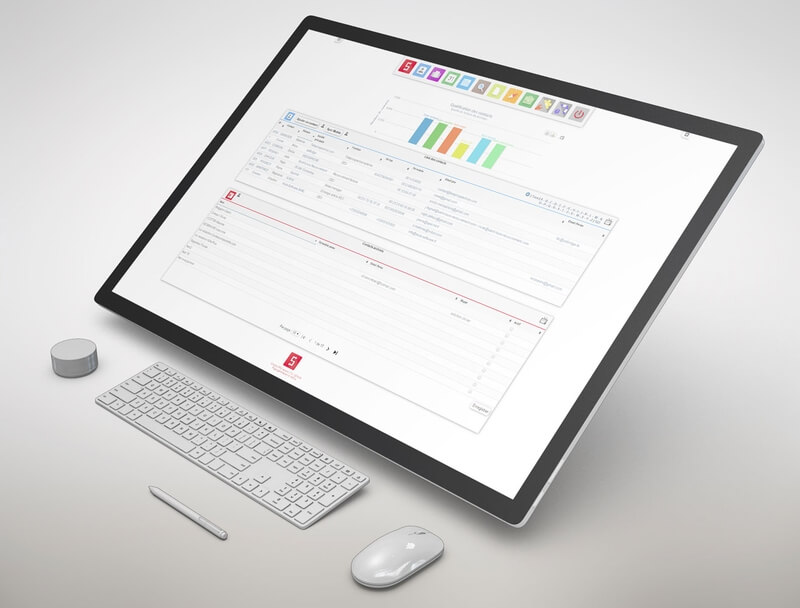
This overview dives into the landscape of simple CRM software, highlighting its key features, benefits, and how it can cater to businesses of all sizes. From user-friendly interfaces to powerful analytics, understanding what makes a CRM solution effective is crucial for anyone looking to optimize their customer relationship management.
In recent years, the concept of digital nomadism has gained significant traction, as more and more people seek to break free from the traditional 9-to-5 job model. The allure of working from anywhere in the world, combined with the advancements in technology, has made this lifestyle increasingly appealing. This article delves into the rise of digital nomadism, exploring its benefits, challenges, and the future it holds for the modern workforce.
What is Digital Nomadism?
Digital nomadism refers to a lifestyle that allows individuals to work remotely while traveling or living in different locations. The term encompasses a wide range of professions, from freelance writers and graphic designers to software developers and online marketers. As long as one can connect to the internet, they can work from cafés, co-working spaces, beaches, or even mountaintops.
Why Has Digital Nomadism Grown in Popularity?
Several factors contribute to the rise of digital nomadism:
- Advancements in Technology: The rapid development of communication and collaboration tools, such as Zoom, Slack, and Google Workspace, has made it easier than ever for individuals to work remotely. High-speed internet is now widely available in many parts of the world, further facilitating this lifestyle.
- Changing Work Culture: The COVID-19 pandemic forced many companies to adopt remote work policies. As employees experienced the flexibility and freedom of working from home, many began to question the need for a conventional office environment.
- Desire for Freedom and Flexibility: Many people today prioritize work-life balance and seek experiences beyond the constraints of traditional employment. Digital nomadism allows individuals to travel, explore new cultures, and live in environments that inspire them.
- Community and Support: The rise of digital nomad-friendly communities, co-working spaces, and online forums has made it easier for like-minded individuals to connect, share experiences, and offer support.
The Benefits of Being a Digital Nomad
Choosing a digital nomadic lifestyle comes with numerous advantages:
- Travel Opportunities: Digital nomads have the freedom to explore new destinations, immerse themselves in different cultures, and create unforgettable memories. This lifestyle allows individuals to work while traveling, making it possible to see the world without sacrificing their careers.
- Flexible Work Environment: The ability to choose where and when to work can lead to increased productivity and job satisfaction. Many digital nomads find that working in inspiring surroundings enhances their creativity and focus.
- Cost of Living Savings: Some digital nomads choose to live in countries with a lower cost of living, allowing them to stretch their income further. This financial freedom can lead to a more comfortable lifestyle and the ability to save or invest in experiences.
- Personal Growth: Embracing a digital nomadic lifestyle often challenges individuals to step out of their comfort zones. Learning to navigate new environments, cultures, and languages fosters resilience, adaptability, and personal development.
Challenges of a Digital Nomadic Lifestyle
While the benefits are enticing, digital nomadism also comes with its own set of challenges:
- Isolation and Loneliness: Constantly moving from one place to another can lead to feelings of isolation. Building a support network and maintaining relationships can be difficult when you’re frequently on the move.
- Work-Life Balance: The line between work and leisure can blur when living in new and exciting locations. Digital nomads must cultivate discipline to ensure they complete their work responsibilities while still enjoying their travels.
- Visa and Legal Issues: Navigating visa regulations and residency requirements can be complex for digital nomads. Some countries have started to offer special visas for remote workers, but not all locations are welcoming.
- Unstable Internet Connections: Reliable internet access is critical for remote work, but not all destinations offer the connectivity needed. Finding suitable workspaces can sometimes be a challenge, especially in more remote areas.
Tips for Aspiring Digital Nomads
For those considering the digital nomadic lifestyle, here are some helpful tips:
- Start Small: If you’re unsure about committing to a full-time nomadic lifestyle, consider taking a short trip while working remotely. This can help you gauge whether this lifestyle suits you.
- Choose Your Destination Wisely: Research potential locations based on factors such as cost of living, internet reliability, and community support. Popular digital nomad hotspots include Bali, Chiang Mai, Lisbon, and Medellín.
- Establish a Routine: While flexibility is a hallmark of digital nomadism, creating a daily routine can help maintain productivity and balance. Set regular work hours, and carve out time for exploration and relaxation.
- Connect with Others: Join digital nomad communities, both online and offline. Networking with fellow nomads can provide support, advice, and friendships that enrich your travels.
- Plan for Finances: Budgeting is crucial for maintaining financial stability while traveling. Keep track of your expenses, and consider building an emergency fund to cover unexpected costs.
The Future of Digital Nomadism
As the world continues to evolve, so too does the concept of work. The future of digital nomadism looks promising, with more companies embracing remote work policies and the global workforce increasingly seeking flexibility. As technology advances and societal attitudes shift, we may see a growing acceptance of non-traditional work arrangements.
In conclusion, the rise of digital nomadism represents a significant cultural shift in how we perceive work and life. With its unique blend of freedom, adventure, and challenges, this lifestyle has captured the hearts and minds of many. Whether it’s a temporary escape or a long-term commitment, digital nomadism offers a path to a fulfilling and enriched life.
FAQ Guide
What is CRM software?
CRM software is a tool that helps businesses manage interactions with customers, streamline processes, and analyze data to improve relationships.
Why do I need a simple CRM?
A simple CRM helps small businesses keep track of customer information and interactions without overwhelming features, making it easy to use.
Can I integrate CRM software with other tools?
Yes, most CRM solutions offer integration options with various applications like email, marketing tools, and e-commerce platforms.
Is cloud-based CRM better than on-premise?
Cloud-based CRM offers flexibility and accessibility from anywhere, while on-premise can provide more control and security for sensitive data.
How can simple CRM software improve my business?
It enhances organization, improves customer service, and provides insights that help make informed business decisions.