Staffing CRM software stands as a game changer in the recruitment landscape, empowering organizations to manage their hiring processes with ease and efficiency. Whether you’re a small business or a large corporation, having the right tools at your disposal is crucial to attract and retain top talent in today’s competitive market. This software not only enhances communication and collaboration among team members but also provides valuable insights into hiring trends and candidate performance, ultimately leading to more informed decision-making.

As we delve deeper into this subject, we’ll explore the multifaceted benefits of staffing CRM software, how it integrates with existing workflows, and the significant impact it has on fostering a more productive recruitment environment. You’ll discover why investing in this technology is essential for any organization aiming to optimize their staffing efforts while staying ahead of industry changes.
In today’s fast-paced world, the significance of effective communication cannot be overstated. Whether in personal relationships, professional settings, or even casual interactions, the way we convey our thoughts and ideas plays a crucial role in shaping our connections with others. This article delves into the various aspects of communication, exploring its importance, the different forms it takes, and the ways we can enhance our communication skills for better interactions.First and foremost, communication is at the heart of human interaction.
It is the medium through which we express our feelings, share information, and build relationships. The ability to communicate effectively is essential not only in our personal lives but also in our professional endeavors. In the workplace, clear communication can lead to improved teamwork, enhanced productivity, and a positive work environment. Conversely, poor communication can result in misunderstandings, conflict, and decreased morale among team members.There are several forms of communication, each with its own nuances and applications.
Verbal communication involves the spoken word and can occur in face-to-face conversations, phone calls, or video conferences. This form of communication allows for immediate feedback and clarification, making it ideal for discussions that require back-and-forth dialogue. On the other hand, written communication encompasses emails, reports, and messages, allowing for more thoughtful expression and a permanent record of the conversation. While written communication can lack the immediacy of verbal exchanges, it provides the opportunity to articulate ideas carefully and succinctly.Non-verbal communication is another critical aspect that often goes unnoticed.
Body language, facial expressions, and even tone of voice can convey feelings and intentions just as powerfully as words themselves. For instance, a simple smile can express friendliness and openness, while crossed arms might suggest defensiveness or discomfort. Being aware of these non-verbal cues can enhance our understanding of others and improve our interactions significantly.One of the most significant challenges in communication today is the rise of digital communication.
While technology has made it easier to connect with others, it has also introduced new complications. The nuances of face-to-face interaction can be lost in text messages or emails, leading to potential misinterpretations. Additionally, the prevalence of emojis and gifs can sometimes overshadow the intended message. Therefore, it’s essential to be mindful of how we communicate in digital spaces and to strive for clarity and empathy in our messages.To enhance our communication skills, there are several strategies we can adopt.
First and foremost, active listening is crucial. This means giving full attention to the speaker, making eye contact, and providing feedback that shows understanding. Active listening helps create a safe space for open dialogue, fostering trust and respect between parties. It also allows us to fully grasp the message being conveyed, enabling us to respond more effectively.Another important skill is the ability to adapt our communication style to suit different audiences.
Recognizing that different people have varied preferences and communication styles is essential for effective interaction. For example, when addressing a group of colleagues, a more formal tone may be appropriate, while a casual approach might work better among friends. Tailoring our communication not only makes the other party feel valued but also increases the likelihood of our message being received positively.Moreover, clarity and conciseness are vital in communication.
In both verbal and written exchanges, being clear and to the point helps prevent misunderstandings. Avoiding jargon and overly complex language makes our messages more accessible to a broader audience. When we express our thoughts clearly, we create a smoother flow of information and reduce the chances of confusion.Feedback is another essential component of effective communication. Encouraging open feedback creates an environment where individuals feel comfortable sharing their thoughts and opinions.
This two-way communication fosters collaboration and innovation, allowing teams to work together more effectively. Additionally, providing constructive feedback helps individuals grow and improve their skills, contributing to personal and professional development.Lastly, empathy plays a vital role in communication. Understanding and acknowledging the emotions and perspectives of others can significantly enhance our interactions. When we approach conversations with empathy, we demonstrate that we value the other person’s feelings and opinions.
This not only strengthens our relationships but also encourages open and honest communication.In conclusion, effective communication is a cornerstone of our interactions, influencing our relationships and success in various aspects of life. By understanding the different forms of communication, honing our skills, and being mindful of our audience, we can foster better connections with others. Whether through verbal, written, or non-verbal means, the ability to communicate effectively is an invaluable asset.
As we navigate our daily lives, let us strive to be better communicators, embracing clarity, empathy, and active listening in our interactions. Through these efforts, we can create a more connected and understanding world, one conversation at a time.
Popular Questions
What is staffing CRM software?
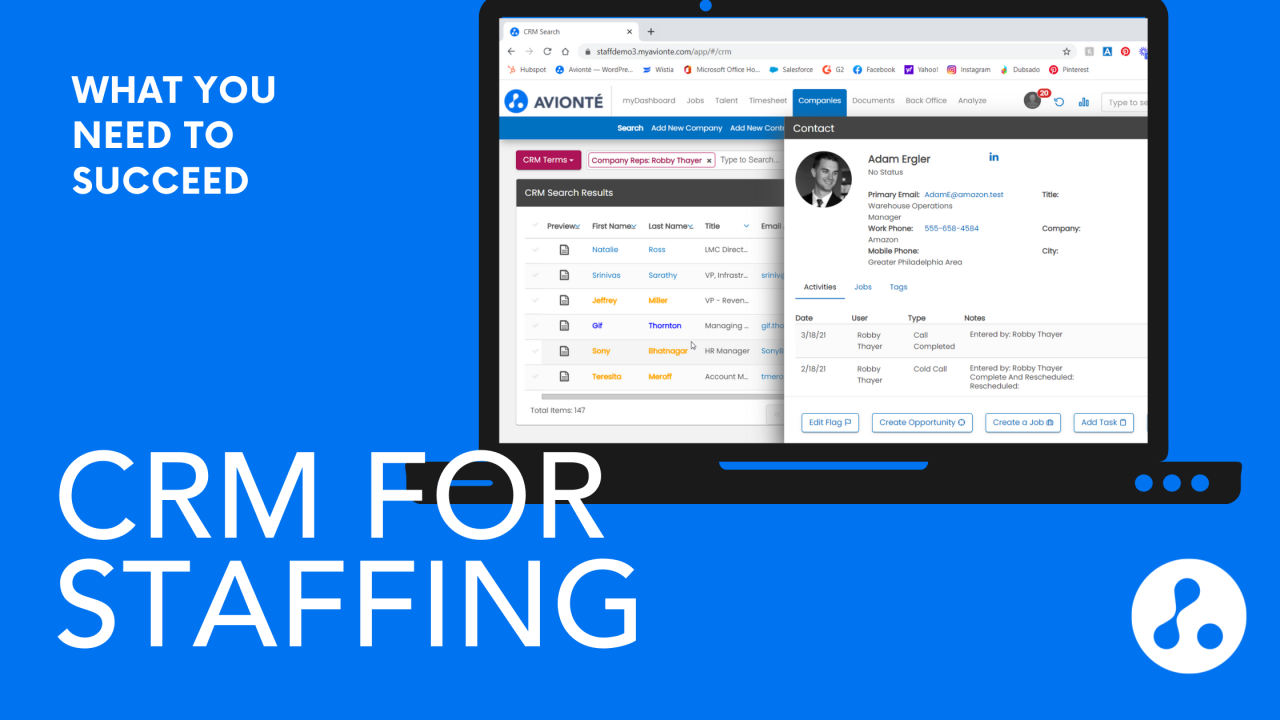
Staffing CRM software is a specialized tool designed to help organizations manage their recruitment processes effectively, including candidate tracking, communication, and data analysis.
How can staffing CRM software improve recruitment?
It streamlines hiring workflows, enhances collaboration among team members, and provides valuable insights into recruitment metrics, leading to more efficient decision-making.
Is staffing CRM software suitable for small businesses?
Yes, many staffing CRM solutions are scalable and can be tailored to fit the needs of small businesses, offering cost-effective options for recruitment management.
Can staffing CRM software integrate with other HR tools?
Most staffing CRM software can easily integrate with existing HR tools and systems, ensuring a seamless flow of information across platforms.
What should I look for in staffing CRM software?
Key features to consider include user-friendly interfaces, customization options, analytics capabilities, and strong customer support services.