The best insurance crm software revolutionizes how agencies manage customer interactions, streamlining processes and enhancing client relationships. In a competitive industry where personalization is key, having the right CRM tool can significantly improve efficiency and drive growth.
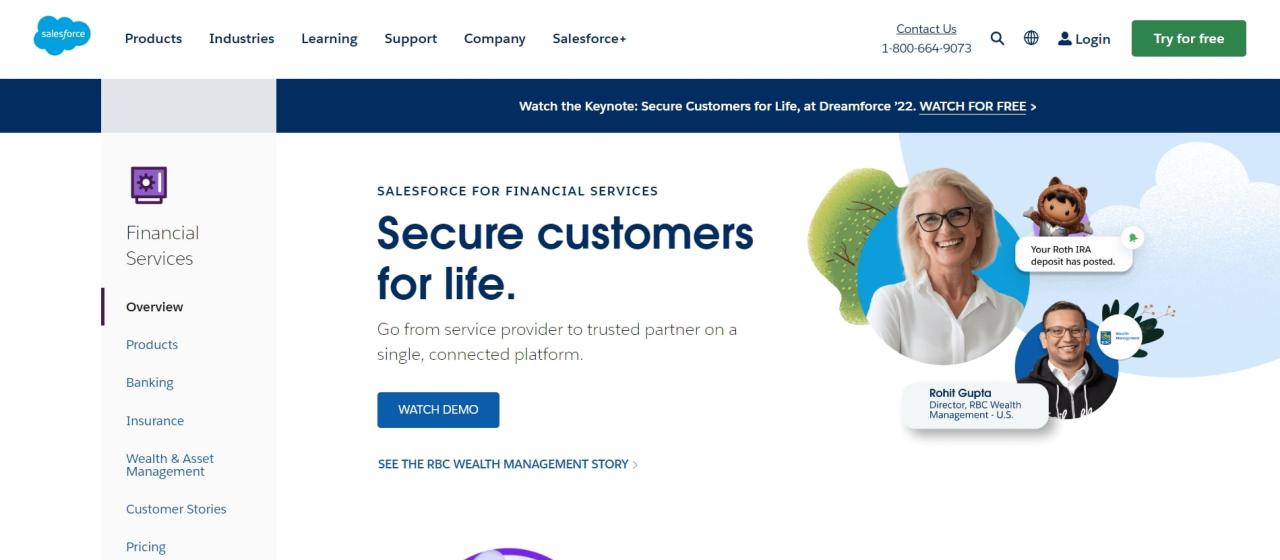
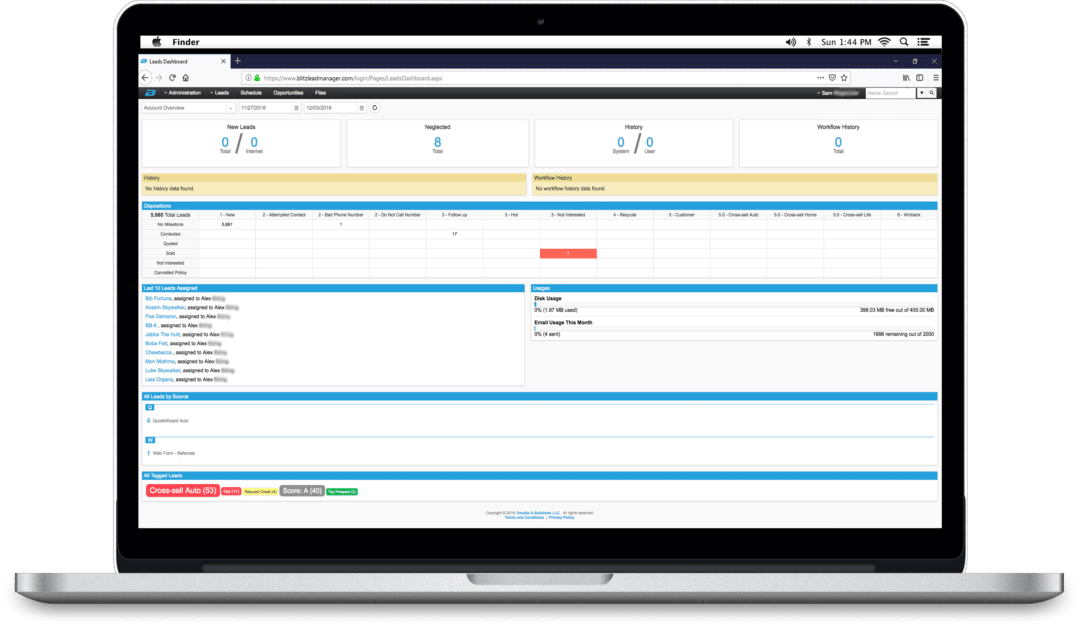
This software not only organizes client information but also offers insights through analytics, allowing agencies to tailor services to meet the specific needs of their clients. With features designed to simplify everyday tasks, the best insurance CRM solutions empower agencies to focus more on their clients and less on administrative burdens.
Effective communication is a cornerstone of any successful organization. In today’s fast-paced work environment, where remote and hybrid models are becoming the norm, mastering the art of communication has never been more crucial. In this article, we will explore the different aspects of effective communication, its importance, and tips on how to enhance your skills to foster a collaborative and productive work atmosphere.
Understanding the Importance of Communication
Communication is not just about exchanging information; it’s about creating connections. In the workplace, effective communication aids in aligning team objectives, resolving conflicts, and fostering healthy relationships among colleagues. Here are some key reasons why communication is essential:
- Enhances Collaboration: When team members communicate openly and effectively, they can share ideas, feedback, and resources, leading to better collaboration and innovation.
- Boosts Morale: Clear communication helps in building trust and transparency. When employees feel informed and heard, it significantly boosts their morale and engagement.
- Reduces Conflicts: Misunderstandings often arise from poor communication. By being clear and concise, you can minimize conflicts and promote a harmonious work environment.
- Increases Productivity: When employees understand their roles and responsibilities through effective communication, it leads to increased efficiency and productivity.
Types of Communication in the Workplace
There are various forms of communication that occur in a workplace setting. Understanding these types can help us become more adaptable communicators:
1. Verbal Communication
This includes face-to-face conversations, phone calls, and video meetings. Being articulate and clear in verbal communication can significantly impact how messages are received. The tone of voice and body language also play critical roles here.
2. Written Communication
Emails, reports, and messages are examples of written communication. It is essential to be concise, clear, and professional in writing to avoid misinterpretation.
3. Non-Verbal Communication
Body language, facial expressions, and gestures can often convey more than words. Being aware of your non-verbal cues and those of your colleagues can enhance understanding and empathy in communication.
Tips for Improving Communication Skills
Improving communication skills is a continuous process. Here are some practical tips to enhance your abilities:
1. Be an Active Listener
Listening is as crucial as speaking. Active listening involves fully concentrating, understanding, responding, and remembering what is being said. This not only shows respect but also helps in grasping the speaker’s perspective fully.
2. Use Clear and Concise Language
Avoid using jargon or overly complex language that may confuse your audience. Strive to keep your messages straightforward and to the point. Clarity fosters understanding.
3. Tailor Your Message
Know your audience and tailor your communication style accordingly. Different situations and individuals may require different approaches. Being adaptable is key.
4. Seek Feedback
Encourage feedback on your communication style. Constructive criticism can offer insights into areas of improvement that you might not have considered. It’s a vital part of the learning process.
5. Practice Empathy
Understanding others’ feelings and perspectives can significantly improve communication. Practice putting yourself in the other person’s shoes, which allows you to respond more thoughtfully and appropriately.
Leveraging Technology for Better Communication
In the digital age, technology offers numerous tools that can enhance communication in the workplace. Here are some ways to use technology effectively:
1. Utilize Communication Platforms
Tools like Slack, Microsoft Teams, and Zoom facilitate seamless communication among team members. They provide channels for instant messaging, video calls, and file sharing, which can enhance collaboration.
2. Foster a Culture of Transparency
Use project management software like Trello or Asana to keep everyone informed about project statuses and responsibilities. This transparency can reduce confusion and promote accountability.
3. Encourage Virtual Check-Ins
Regular virtual meetings can help maintain connections in remote settings. Schedule weekly or bi-weekly check-ins to discuss progress, address concerns, and reinforce team cohesion.
Conclusion
Effective communication is an essential skill that can transform the workplace dynamics and lead to overall success. By understanding its importance, embracing various communication forms, and continuously striving to improve, you can create a more engaging, productive, and collaborative environment. As the workplace continues to evolve, let’s not forget that at the heart of every successful organization lies the ability to communicate effectively.
By putting these tips into practice, not only will you enhance your communication skills, but you will also contribute significantly to a positive workplace culture. Remember, communication is an art that can always be perfected.
Question & Answer Hub
What are the key features of insurance CRM software?
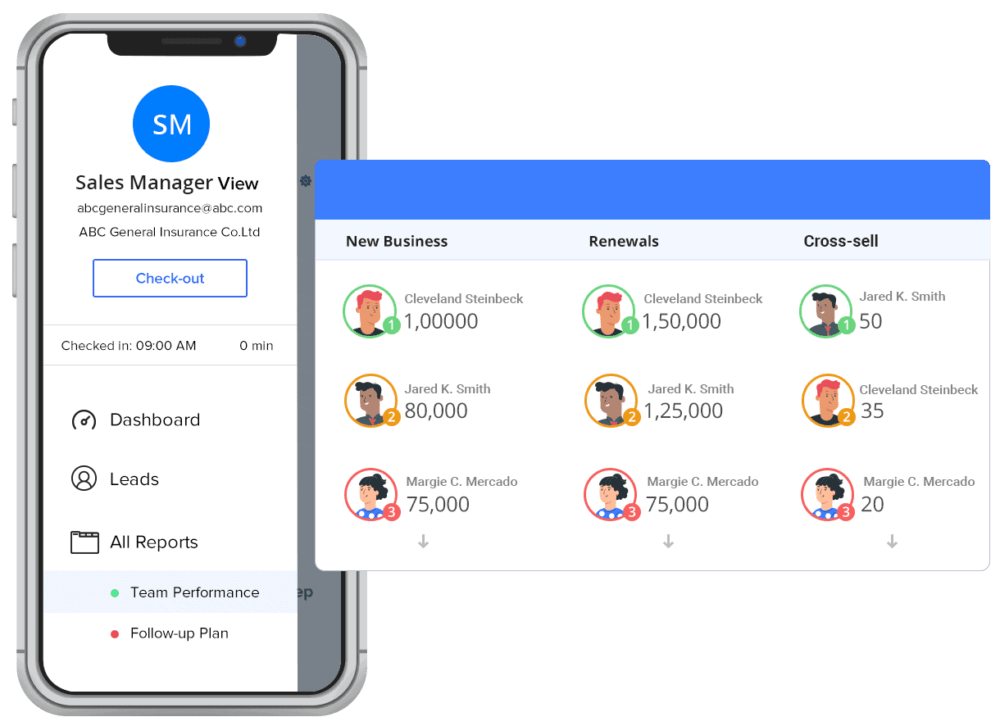
Key features often include client management, policy tracking, automated workflows, reporting and analytics, and integration with other insurance tools.
How can CRM software improve client relationships?
CRM software enhances client relationships by providing personalized communication, tracking client interactions, and offering insights into client needs and preferences.
Is CRM software suitable for small insurance agencies?
Yes, many CRM solutions are scalable and can be tailored to meet the needs of small insurance agencies, ensuring they can also benefit from improved management tools.
Can CRM software integrate with existing systems?
Most modern CRM software can integrate with various existing systems, including email platforms, accounting software, and other tools to create a seamless workflow.
Is training required to use insurance CRM software?
While many CRM systems are user-friendly, some level of training may be beneficial to fully exploit the software’s features and capabilities.