crm quoting software sets the stage for this enthralling narrative, offering readers a glimpse into a story that is rich in detail and brimming with originality from the outset.
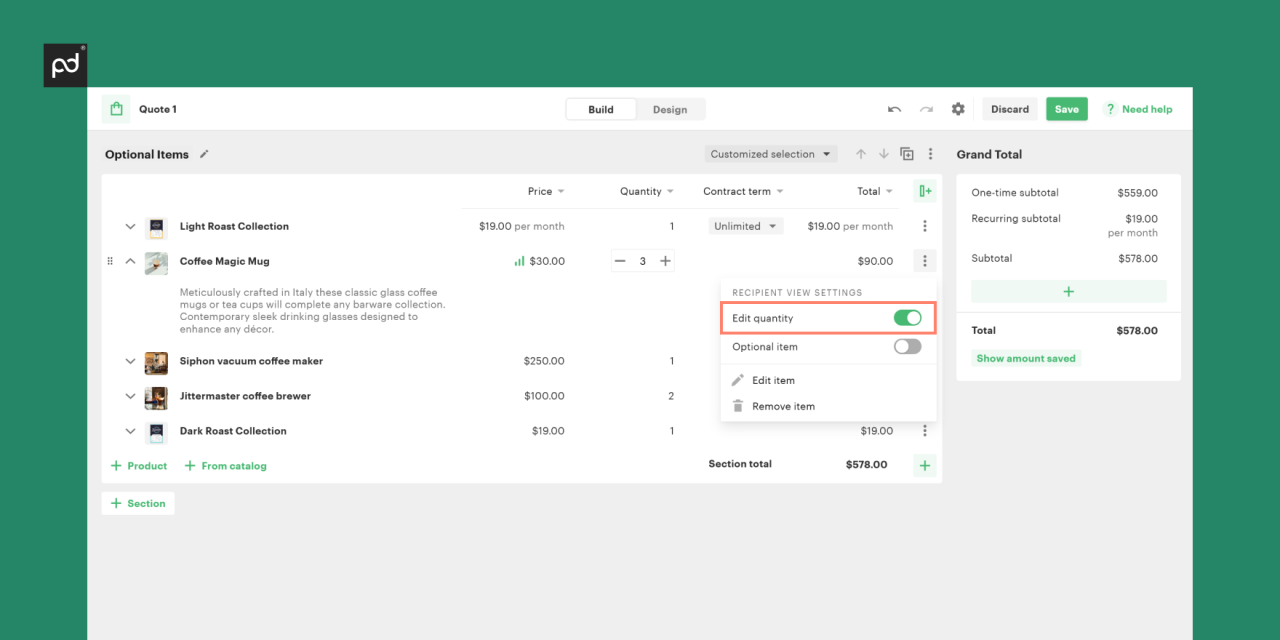
This innovative tool transforms the way businesses handle pricing and proposals, integrating seamlessly into existing systems to enhance efficiency and accuracy. By automating the quoting process, organizations can save time, reduce errors, and ultimately improve customer satisfaction.
In recent years, the phrase “sustainable living” has become a buzzword, often thrown around in conversations about environmental protection and conservation. But what does it really mean, and why is it more important than ever? Sustainable living involves making choices that reduce our environmental impact, ensuring resources are available for future generations. This article delves into the various aspects of sustainable living, its benefits, and practical steps we can take to embrace it in our daily lives.
Understanding Sustainability
Sustainability encompasses a broad range of practices across different sectors such as agriculture, energy, and waste management. Essentially, it refers to the ability to maintain or preserve resources without compromising the ability of future generations to meet their needs. The three pillars of sustainability are often referred to as the “triple bottom line”: environmental, social, and economic sustainability. Each of these elements plays a crucial role in creating a balanced ecosystem where both humanity and nature can thrive.

Environmental Impact
The environmental aspect of sustainability focuses on the conservation of natural resources and the health of the planet. As populations grow and industries expand, the strain on our environment has become increasingly evident. Climate change, deforestation, pollution, and loss of biodiversity are just a few of the alarming issues we face today. By adopting sustainable living practices, individuals can significantly reduce their carbon footprint.
Simple changes, such as reducing meat consumption, using public transport, and conserving water, can collectively have a profound impact on the environment.
Social Responsibility
Social sustainability emphasizes the importance of social equity and community well-being. It involves creating a society that values diversity and promotes fairness, ensuring that everyone has access to resources and opportunities. Sustainable living encourages us to consider the social implications of our choices, such as supporting local businesses, choosing fair-trade products, and advocating for workers’ rights. By fostering a sense of community and responsibility, we can create a more equitable world while enhancing our own quality of life.
Economic Viability
The economic aspect of sustainability focuses on creating systems that are viable in the long term. This means that businesses and individuals should strive for practices that not only generate profit but also benefit society and the environment. For instance, investing in renewable energy sources such as solar or wind power not only contributes to a healthier planet but can also lead to significant cost savings in the long run.
Sustainable agriculture and eco-friendly products are gaining traction as consumers become increasingly aware of their purchasing power and the impact their choices have on the economy.
Practical Steps for Sustainable Living
Adopting sustainable living practices might seem daunting, but small changes can lead to significant results. Here are some practical steps to get started:

- Reduce, Reuse, Recycle: Commit to reducing waste by choosing reusable products, recycling materials, and composting organic waste.
- Choose Sustainable Products: Opt for items made from eco-friendly materials. Look for certifications such as organic, fair-trade, or cruelty-free.
- Conserve Energy: Implement energy-saving measures in your home, such as using LED bulbs, unplugging devices when not in use, and utilizing energy-efficient appliances.
- Support Local and Organic: Buying from local farmers not only supports your community but also reduces the carbon emissions associated with transporting goods.
- Use Water Wisely: Reduce water usage with simple habits like shorter showers, fixing leaks, and using drought-resistant plants in your garden.
- Educate and Advocate: Stay informed about environmental issues and advocate for policies that promote sustainability at local, national, and global levels.
The Role of Technology in Sustainability
Technology plays a vital role in advancing sustainable living practices. Innovations in renewable energy, such as solar and wind power, have made it more accessible and affordable for individuals and businesses. Smart home technology can help monitor and reduce energy consumption, while apps designed to track carbon footprints can raise awareness about personal habits. Furthermore, advancements in sustainable agriculture, such as vertical farming and aquaponics, can help produce food more efficiently and with minimal environmental impact.
Challenges to Sustainable Living
Despite the clear benefits of sustainable living, several challenges remain. One major hurdle is the ingrained habits and conveniences of modern life that often prioritize short-term gains over long-term sustainability. Additionally, misinformation or lack of awareness about what sustainable living entails can hinder individuals from making informed choices. Economic barriers also exist, as sustainable products can sometimes be more expensive than their conventional counterparts.
However, with continued education and advocacy, these challenges can be addressed.
The Future of Sustainable Living
The future of sustainable living looks promising, with a growing movement towards environmental consciousness among consumers and businesses alike. As awareness increases, so does the demand for sustainable practices, encouraging industries to innovate and adapt. Governments around the world are also recognizing the importance of sustainability, implementing policies and incentives to promote greener practices. Together, with collective effort, we can work towards a more sustainable future that prioritizes the health of our planet and the well-being of its inhabitants.
Conclusion
In conclusion, sustainable living is not just a trend; it’s an essential practice for the survival of our planet and future generations. By understanding the principles of sustainability and taking actionable steps toward a more eco-friendly lifestyle, each of us can contribute to a healthier environment. The journey towards sustainability begins with small changes, and as more individuals embrace this lifestyle, we can collectively make a significant impact.
Let’s commit to being responsible stewards of our planet and work together to create a sustainable future.
Common Queries
What is crm quoting software?
crm quoting software is a tool designed to automate the creation and management of quotes and proposals within a customer relationship management system.
How does crm quoting software improve efficiency?
By automating the quoting process, it reduces manual entry errors, speeds up response times, and allows for easy adjustments to pricing and terms.
Can crm quoting software integrate with other tools?
Yes, most crm quoting software solutions can integrate with various CRM and ERP systems to provide comprehensive functionality.
Is crm quoting software suitable for all business sizes?
Absolutely, it can be tailored to meet the needs of small businesses as well as larger enterprises.
What is the typical cost of crm quoting software?
Costs can vary significantly based on features and the number of users, but many options are available to fit different budgets.