As florida car insurance quotes takes center stage, this opening passage beckons readers into a world of essential insights concerning vehicular coverage in the Sunshine State. Navigating the landscape of car insurance in Florida can be challenging, but understanding your options is key to making informed decisions. From unique state regulations to varying coverage types, this discussion aims to equip you with the knowledge necessary to secure the best insurance deals available.
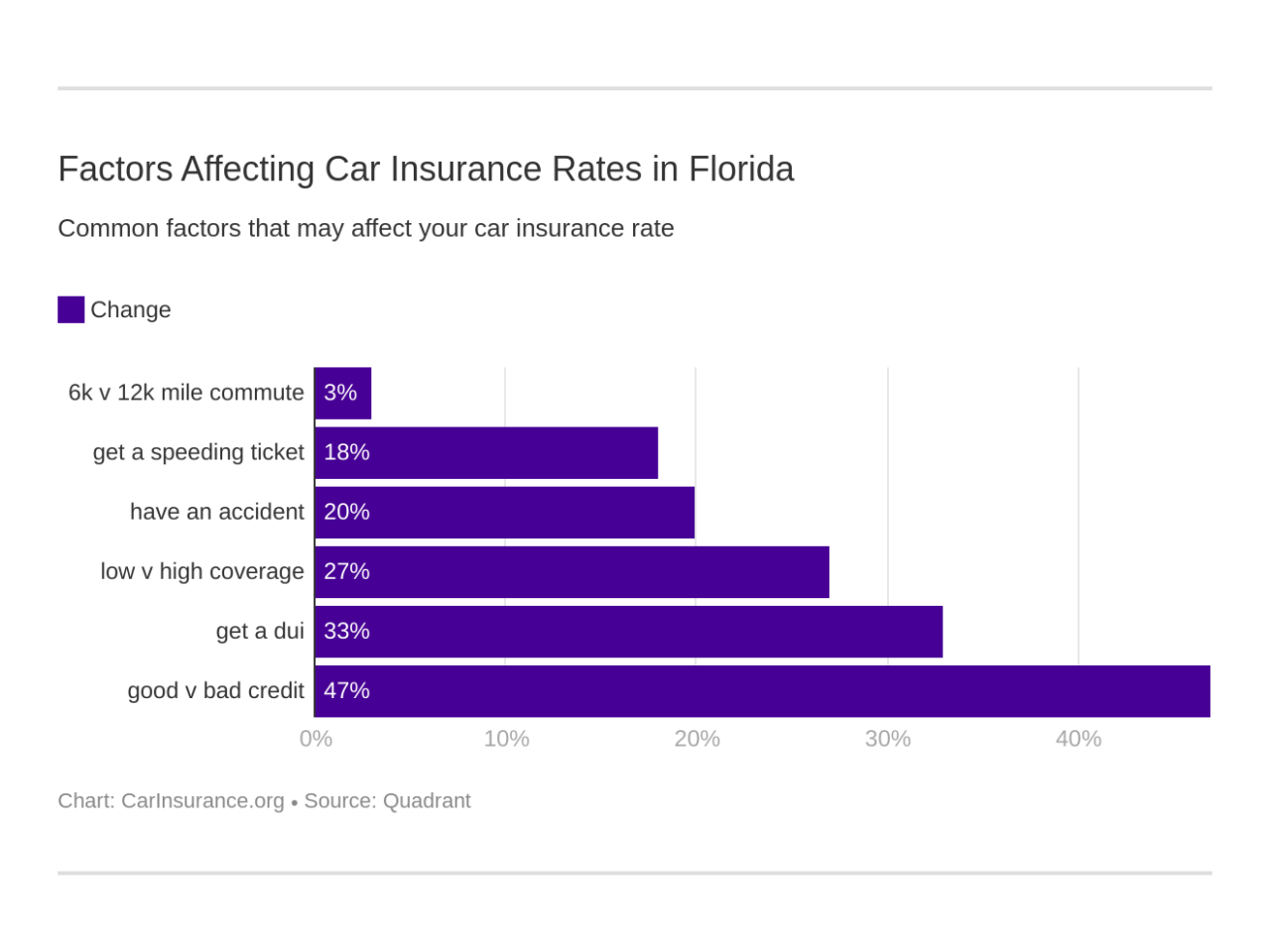
Whether you’re a new driver or looking to switch providers, grasping the nuances of Florida’s insurance market can save you time and money. With a myriad of quotes and policies at your disposal, knowing what to look for and which factors impact your rates is crucial. This exploration covers everything from the minimum requirements to tips on finding tailored coverage that meets both your needs and budget.

In today’s fast-paced world, the significance of effective communication cannot be understated. Whether in a personal or professional context, the ability to convey thoughts clearly and persuasively can make a substantial difference in achieving desired outcomes. With the rise of digital communication platforms, the manner in which we express ourselves has evolved, yet the fundamental principles of effective communication remain relevant. In this article, we will explore the essential elements of effective communication, its impact on relationships, and practical tips to enhance your communication skills.
To begin with, it’s crucial to understand what effective communication entails. Effective communication is not merely about exchanging information; it involves ensuring that the message you wish to convey is received accurately by the other party. This requires clarity, conciseness, and the ability to tailor your message to your audience. Whether you’re drafting an email, making a presentation, or engaging in a casual conversation, the goal remains the same: to ensure that your message is understood as intended.
One of the most critical elements of effective communication is active listening. Active listening involves fully concentrating on what the speaker is saying, understanding their message, and responding thoughtfully. This practice not only helps to build rapport but also encourages a two-way dialogue, where both parties feel valued and understood. By demonstrating genuine interest in the speaker’s words, you create a more open and trusting environment conducive to meaningful exchange.
Moreover, non-verbal communication plays a significant role in how messages are perceived. Body language, facial expressions, and tone of voice all contribute to the overall message being conveyed. For example, maintaining eye contact can signal attentiveness and sincerity, while crossed arms might suggest defensiveness or disengagement. Being aware of these non-verbal cues can enhance your communication effectiveness, allowing you to connect with others on a deeper level.
Additionally, the choice of words and tone can greatly influence how your message is received. Using jargon or overly complex language can lead to misunderstandings, particularly if your audience is unfamiliar with the terminology. Striving for simplicity and clarity in your language can help ensure that your message resonates with a broader audience. Furthermore, adapting your tone to fit the context of the conversation is equally important. A formal tone may be appropriate in a business meeting, while a more relaxed tone could work better in a casual setting.
In the realm of professional communication, written correspondence holds significant weight. Emails, reports, and memos are often the primary means of communication in the workplace. Therefore, mastering the art of written communication is essential. Start by organizing your thoughts before drafting any written content. An Artikel can help you structure your ideas logically, making it easier for the reader to follow along. Additionally, always proofread your work to eliminate errors that could detract from your message’s professionalism.
Feedback is another vital component of effective communication. Providing constructive feedback can lead to improved performance, while receiving feedback can offer insights into how your message is perceived. When giving feedback, it’s important to be specific and focus on behaviors rather than personal traits. For instance, instead of saying, “You’re not a good presenter,” you might say, “I think you could enhance your presentations by incorporating more visuals.” This approach fosters a more positive interaction and encourages growth.
Effective communication is not limited to verbal and written forms; it extends to digital communication as well. In today’s digital age, understanding how to communicate effectively through various online platforms is crucial. Emojis, GIFs, and memes can add a layer of engagement to your messages, but they should be used judiciously, depending on the audience and context. For professional communication, it’s often best to err on the side of formality, while personal interactions may allow for a more relaxed approach.
Moreover, cultural awareness is increasingly important in our interconnected world. Different cultures have varying communication styles and norms, and being mindful of these differences can significantly enhance your interactions. For example, some cultures value direct communication, while others may prefer a more indirect approach. By taking the time to understand cultural nuances, you can communicate more effectively and avoid potential misunderstandings.
As we navigate through the complexities of communication, it’s also helpful to recognize and manage emotions. Communication can be heavily influenced by how we feel, and allowing emotions to dictate our responses can lead to miscommunication or conflict. Practicing emotional intelligence involves being aware of your emotions and how they affect your communication. This self-awareness enables you to respond thoughtfully rather than react impulsively, leading to more productive conversations.
Furthermore, practicing empathy can significantly enhance your communication skills. Empathy involves understanding and acknowledging the feelings and perspectives of others. By putting yourself in someone else’s shoes, you can respond in a way that is considerate and supportive. This not only strengthens relationships but also fosters a more collaborative environment, whether at work or in personal interactions.
To sum up, effective communication is a multifaceted skill that plays a crucial role in our daily lives. By honing your active listening skills, being mindful of non-verbal cues, and mastering both verbal and written communication, you can express your thoughts and ideas more clearly. Additionally, embracing feedback, practicing emotional intelligence, and demonstrating empathy can further enhance your ability to connect with others. As communication continues to evolve in the digital age, staying adaptable and open to new forms of expression will ensure that you remain an effective communicator. Ultimately, the goal of communication is not just to transmit information but to foster understanding, build relationships, and create a more connected world.