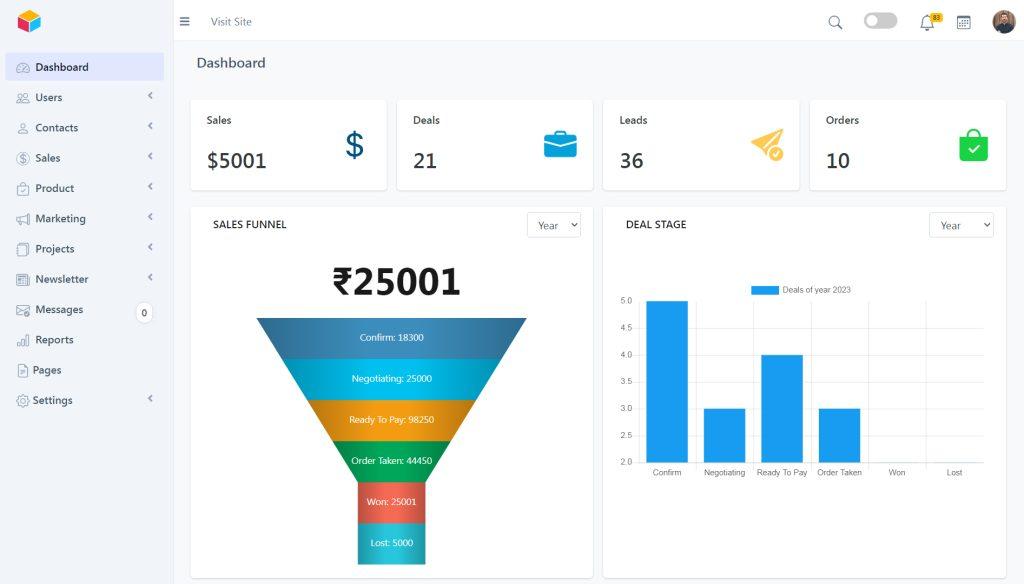
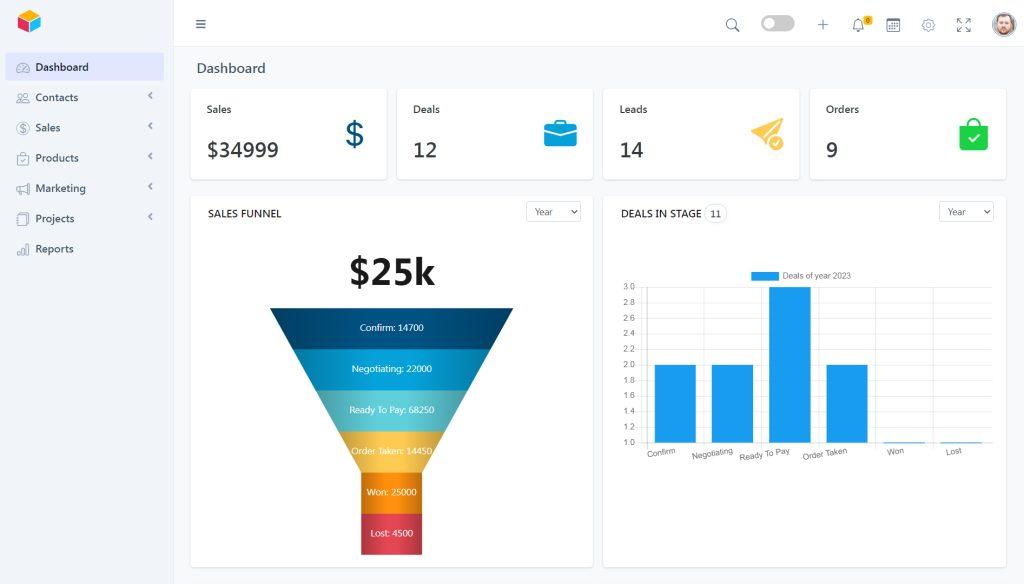
Kicking off with crm software demo, this introduction invites you to explore the dynamic world of customer relationship management software. In today’s fast-paced business environment, understanding and leveraging the right CRM tools can dramatically enhance how businesses interact with their customers, streamline workflows, and boost sales. This demo will illuminate the features and functionalities integral to modern CRM systems, making it essential for anyone looking to optimize their customer engagement strategies.
You’ll get a clear view of how CRM software can transform customer interactions, manage data effectively, and offer valuable insights into customer behavior. With a blend of technology and human touch, this demo will show you how CRM platforms are not just tools but vital partners in achieving business success.
Effective communication is at the heart of any successful workplace. It serves as the foundation for fostering teamwork, enhancing productivity, and ensuring that everyone is on the same page. In today’s fast-paced business environment, mastering the art of communication is not just beneficial; it’s essential for both personal and organizational growth.
Understanding the Importance of Communication
Communication goes beyond merely exchanging information. It involves the ability to convey ideas clearly and listen actively to others. According to various studies, organizations that prioritize effective communication experience lower employee turnover, improved morale, and higher levels of engagement. Moreover, strong communication skills can lead to better problem-solving and innovation, as team members feel more comfortable sharing their thoughts and ideas.
Types of Communication in the Workplace
There are several types of communication that occur in a professional setting, each serving a unique purpose:
- Verbal Communication: This includes face-to-face conversations, phone calls, and video meetings. It’s crucial for discussing ideas and providing feedback.
- Non-Verbal Communication: Body language, facial expressions, and eye contact can often convey more than words alone. Being aware of non-verbal cues can enhance understanding among team members.
- Written Communication: Emails, reports, and memos are essential for documentation and sharing information. Clarity and conciseness are key in written communication to avoid misunderstandings.
- Visual Communication: Charts, graphs, and infographics can help illustrate complex information and make it more digestible for the audience.
Barriers to Effective Communication
While communication is vital, several barriers can hinder its effectiveness:
- Physical Barriers: Differences in location or environment can impede face-to-face communication, especially in remote work situations.
- Language Barriers: In diverse workplaces, variations in language proficiency can lead to misinterpretations.
- Cultural Barriers: Different cultural backgrounds can influence communication styles and understanding, potentially causing confusion or offense.
- Emotional Barriers: Personal feelings or biases can cloud judgment and affect the way messages are received or sent.
Strategies for Improving Communication
To overcome these barriers and enhance communication in the workplace, consider the following strategies:
- Practice Active Listening: Focus on understanding what others are saying rather than just waiting for your turn to speak. Ask clarifying questions to ensure comprehension.
- Be Clear and Concise: Whether speaking or writing, aim to get your message across in as few words as possible without losing its essence. Avoid jargon unless you are sure everyone understands it.
- Encourage Feedback: Foster an environment where team members feel comfortable providing and receiving feedback. This promotes open dialogue and continuous improvement.
- Utilize Technology: Leverage tools such as instant messaging, video conferencing, and project management software to facilitate communication, especially in remote settings.
The Role of Leadership in Communication
Leadership plays a crucial role in shaping a culture of communication within an organization. Leaders should lead by example, demonstrating effective communication skills in their interactions. They must also create an open-door policy, encouraging team members to voice their thoughts and concerns. Recognizing and addressing communication breakdowns promptly can prevent further issues and strengthen team cohesion.
Conclusion
In conclusion, effective communication is a vital skill that can significantly impact workplace dynamics and overall success. By understanding the different types of communication, recognizing barriers, and implementing strategies for improvement, organizations can foster a more collaborative and productive environment. As the workplace continues to evolve, prioritizing communication will remain a key factor in achieving both individual and organizational goals.
FAQs
What is a CRM software demo?
A CRM software demo is a presentation or trial of a customer relationship management system, showcasing its features and functionalities to prospective users.
Who can benefit from a CRM software demo?
Businesses of all sizes looking to improve customer relationships and streamline processes can benefit from a CRM software demo.

How long does a typical CRM software demo last?
Most CRM software demos last anywhere from 30 minutes to an hour, depending on the features being demonstrated and the questions from participants.
Can I customize a CRM during the demo?
Many demos allow for customization options to be shown, but actual customization typically occurs after implementation.
Is there a cost associated with a CRM software demo?
Most CRM software demos are offered for free to allow potential customers to assess the product before making a purchase decision.