Errors and omissions insurance quote is a crucial topic for professionals and businesses alike, providing essential protection against claims of negligence or inadequate work. In a world where accountability is paramount, understanding this type of insurance can safeguard your career and financial future.
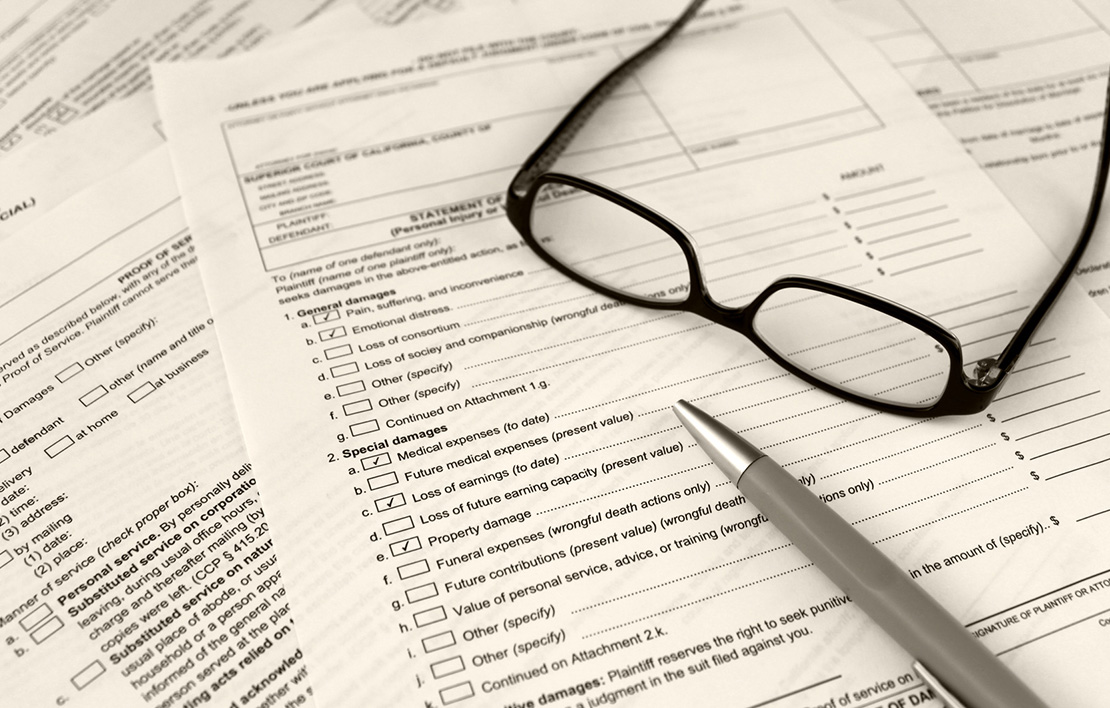
From freelancers to established firms, having the right coverage ensures that you can confidently navigate your responsibilities without the fear of costly repercussions. This insurance not only enhances credibility but also builds trust with clients, making it a vital aspect of professional practice.

In today’s fast-paced digital world, the importance of effective communication cannot be overstated. Whether you’re sending an email, writing a report, or engaging on social media, the way you convey your message has a substantial impact on how it is received. In this article, we will explore the elements of effective communication, the role of technology in facilitating these interactions, and tips to enhance your communication skills in both personal and professional settings.
Effective communication is built on several foundational elements. Firstly, clarity is paramount. When crafting your message, consider your audience and the purpose of your communication. Use simple and straightforward language to convey your points. Avoid jargon and overly complex sentences that might confuse your reader. This is especially crucial in professional environments where miscommunication can lead to significant misunderstandings or lost opportunities.
Secondly, active listening plays a crucial role in effective communication. It’s not just about how you express your thoughts, but also about how you receive information from others. Active listening involves fully concentrating on what is being said rather than just passively hearing the speaker’s words. This means engaging with the speaker, asking clarifying questions, and providing feedback. When both parties are engaged in active listening, the chances of misunderstanding are significantly reduced.
In addition to clarity and active listening, non-verbal communication is another critical component. Our body language, facial expressions, and even tone of voice can convey a wealth of information that may not be spoken. For instance, maintaining eye contact can demonstrate confidence and interest, while crossing your arms might suggest defensiveness or discomfort. Being aware of your own non-verbal signals, as well as those of others, can greatly enhance the effectiveness of your communication.
Technology has transformed the way we communicate. With the advent of emails, instant messaging, and video conferencing, it’s easier than ever to connect with people worldwide. However, technology also introduces challenges. The lack of physical presence can lead to misinterpretations of tone and intent. It’s essential to be mindful of this when communicating through digital platforms. Adding a personal touch, such as using emojis in casual messages or ensuring a friendly tone in professional emails, can help bridge the gap created by physical distance.
Moreover, the rise of social media has changed the dynamics of communication. Platforms like Twitter, Facebook, and LinkedIn allow for rapid sharing of information and ideas. However, this immediacy can also promote rash communication. It’s easy to react impulsively to posts or comments without fully considering the impact of your words. Therefore, it’s crucial to think before you post. Consider how your message may be interpreted and the potential consequences it could have.
Improving your communication skills requires practice and self-reflection. Here are some practical tips to help you become a more effective communicator:
1. Know Your Audience: Tailor your message according to who will be receiving it. Understanding your audience’s background, preferences, and needs can help you craft a message that resonates with them.
2. Be Concise: While it’s important to provide sufficient detail, avoid rambling. Stick to the main points and avoid unnecessary filler that could distract from your message.
3. Use Visual Aids: When presenting information, consider incorporating visual aids such as charts, graphs, or slides. These tools can help illustrate your points and keep your audience engaged.
4. Seek Feedback: Don’t hesitate to ask for feedback on your communication style. Constructive criticism can provide insights into areas where you can improve.
5. Practice Empathy: Try to understand things from the other person’s perspective. Empathy can foster stronger connections and make your communication more impactful.
6. Stay Calm Under Pressure: In high-stress situations, it can be easy to lose your composure. Practice techniques such as deep breathing or pausing before responding to keep your cool.
7. Continuously Learn: Communication is a skill that can always be refined. Attend workshops, read books, or engage in discussions to enhance your abilities.
In conclusion, effective communication is vital in every aspect of life, whether personal or professional. By focusing on clarity, active listening, non-verbal cues, and adapting to technology, we can improve how we express ourselves and connect with others. Remember, communication is a two-way street, and both parties play an essential role in making interactions meaningful. So, take the time to hone your skills, and you’ll find that your relationships, opportunities, and overall success can greatly improve as a result.