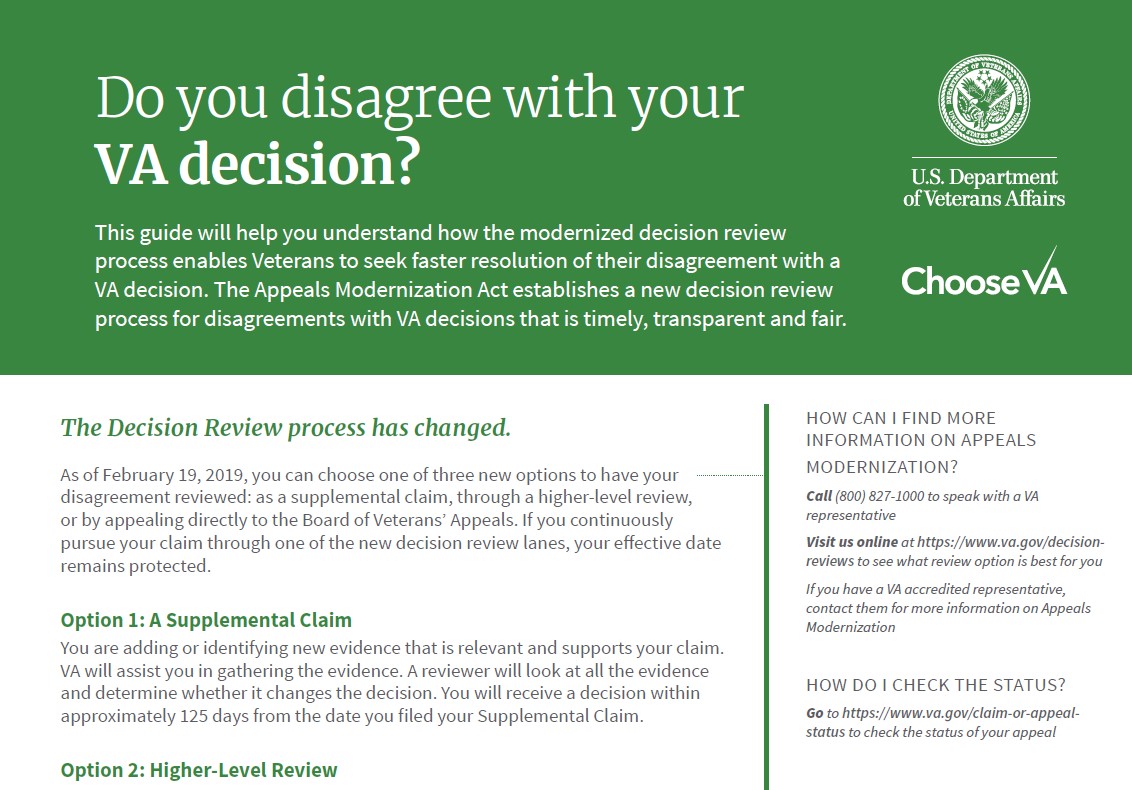
Exploring the board of veterans’ appeals decision search reveals a crucial resource for veterans seeking clarity on their appeals. This process not only highlights the importance of transparency in the decision-making of veterans’ benefits but also emphasizes the role of accessible information in navigating the complexities of the appeals system.
Veterans often find themselves in need of guidance when facing appeals regarding their benefits. Understanding the available decisions can provide valuable context and insight into similar cases, helping veterans make informed choices about their own appeals. By delving into this search process, we uncover how it serves as a bridge between veterans and the justice they seek.
In today’s fast-paced world, the ability to communicate effectively in the workplace is more important than ever. Good communication fosters a positive work environment, enhances teamwork, and drives productivity. In this article, we will explore the various aspects of effective communication, its importance, and practical tips to enhance your communication skills in the modern workplace.
Understanding Effective Communication
Effective communication goes beyond merely exchanging information. It involves understanding the emotions and intentions behind the information. This means being aware of verbal and non-verbal cues, listening actively, and responding appropriately. In a diverse workplace, recognizing differences in communication styles is also crucial.
The Importance of Communication
Effective communication is vital for several reasons:
- Team Collaboration: Good communication is the backbone of any successful team. It ensures that all members are on the same page regarding goals, tasks, and expectations.
- Conflict Resolution: Miscommunication can often lead to conflicts. Open lines of communication can help resolve issues before they escalate.
- Employee Morale: When employees feel heard and understood, their morale and job satisfaction increase significantly.
- Efficiency and Productivity: Clear communication reduces misunderstandings, which can lead to mistakes and wasted time.
Barriers to Effective Communication
Despite its importance, several barriers can hinder effective communication in the workplace:
- Physical Barriers: These include geographical distance and physical separation, which can make communication challenging.
- Language Barriers: In multicultural environments, language differences can lead to misinterpretations.
- Cultural Differences: Different cultural backgrounds can influence communication styles and understanding.
- Perceptual Barriers: Individuals may interpret the same message differently based on their perceptions and experiences.
Strategies for Improving Communication Skills
Enhancing communication skills can significantly impact your career and workplace environment. Here are practical strategies to consider:
1. Practice Active Listening
Active listening involves fully focusing on the speaker, understanding their message, responding thoughtfully, and retaining the information. Engage in conversations without distractions, and show that you are listening through nodding and maintaining eye contact.
2. Be Clear and Concise
When conveying information, being clear and concise is paramount. Avoid jargon and complicated language. Instead, use simple terms to ensure your message is understood. Additionally, structure your message logically, starting with the main point followed by supporting details.
3. Non-Verbal Communication
Non-verbal cues such as body language, facial expressions, and tone of voice can significantly influence how your message is received. Be mindful of these cues, as they can reinforce or contradict what you are saying. For instance, a genuine smile can enhance your message, while crossed arms might suggest defensiveness.
4. Adapt to Your Audience
Understanding your audience is key to effective communication. Tailor your message to fit the listener’s background, interests, and level of understanding. For instance, when speaking to a technical team, you can use industry-specific terminology, while a non-technical audience may require simpler explanations.
5. Provide Feedback
Feedback is a critical component of communication. It helps clarify misunderstandings and fosters a culture of openness. When giving feedback, be constructive and specific, focusing on behaviors rather than personal attributes. Similarly, when receiving feedback, listen without being defensive and take it as an opportunity for growth.
6. Use Technology Wisely
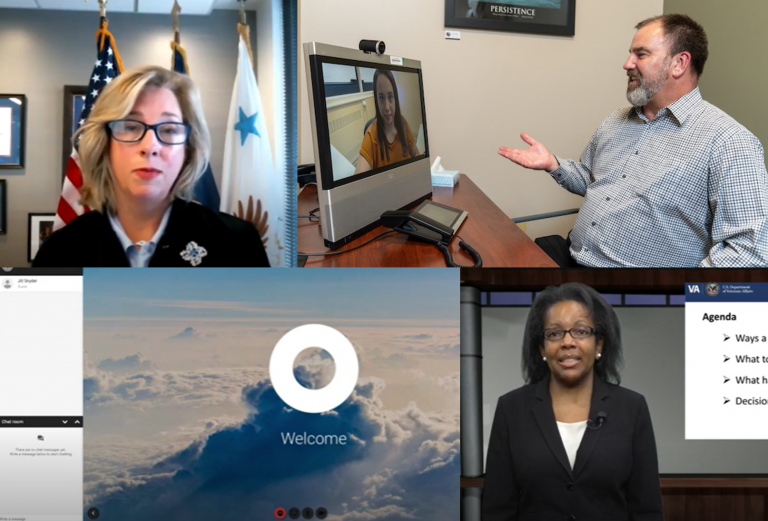
In the modern workplace, technology plays a crucial role in communication. Utilize tools like emails, instant messaging, and video conferencing effectively. However, be mindful of over-reliance on digital communication, as it can sometimes lead to misunderstandings. Whenever possible, opt for face-to-face communication to discuss complex issues.
Building a Culture of Open Communication
Creating an environment that encourages open communication is essential for any organization. Here are some ways to foster this culture:
- Encourage Sharing of Ideas: Create platforms where employees can share their ideas and suggestions. This could be through regular team meetings, suggestion boxes, or dedicated forums.
- Emphasize Transparency: Being transparent about company goals, changes, and challenges can help build trust among employees.
- Lead by Example: Managers and leaders should model effective communication behaviors. When leaders communicate openly and respectfully, employees are likely to follow suit.
- Training and Development: Provide training sessions focused on communication skills development. This can help employees recognize the importance of effective communication and improve their skills.
Conclusion
Effective communication is a vital skill in today’s workplace. It not only enhances teamwork and productivity but also contributes to a positive work environment. By understanding the principles of effective communication and implementing practical strategies, you can improve your communication skills and create an atmosphere of openness and collaboration. Remember, communication is a two-way street, and the more you invest in it, the more you will reap the benefits in your professional life.
Top FAQs
What is the purpose of the board of veterans’ appeals decision search?
The purpose is to provide veterans with access to past decisions, helping them understand the outcomes of similar cases to inform their own appeals.
How can I access the board of veterans’ appeals decision search?
Access can typically be gained through the official VA website or relevant veteran service organizations that offer guidance on how to conduct a search.
Are there any fees associated with using the decision search?
No, the board of veterans’ appeals decision search is usually a free service provided to veterans.
What types of cases can I find in the decision search?
You can find a variety of cases related to disability benefits, service connection claims, and other appeals regarding veterans’ benefits.
Can I use the decision search for other legal matters?
No, the decision search is specifically focused on veterans’ appeals and related cases; it is not applicable to other legal matters.