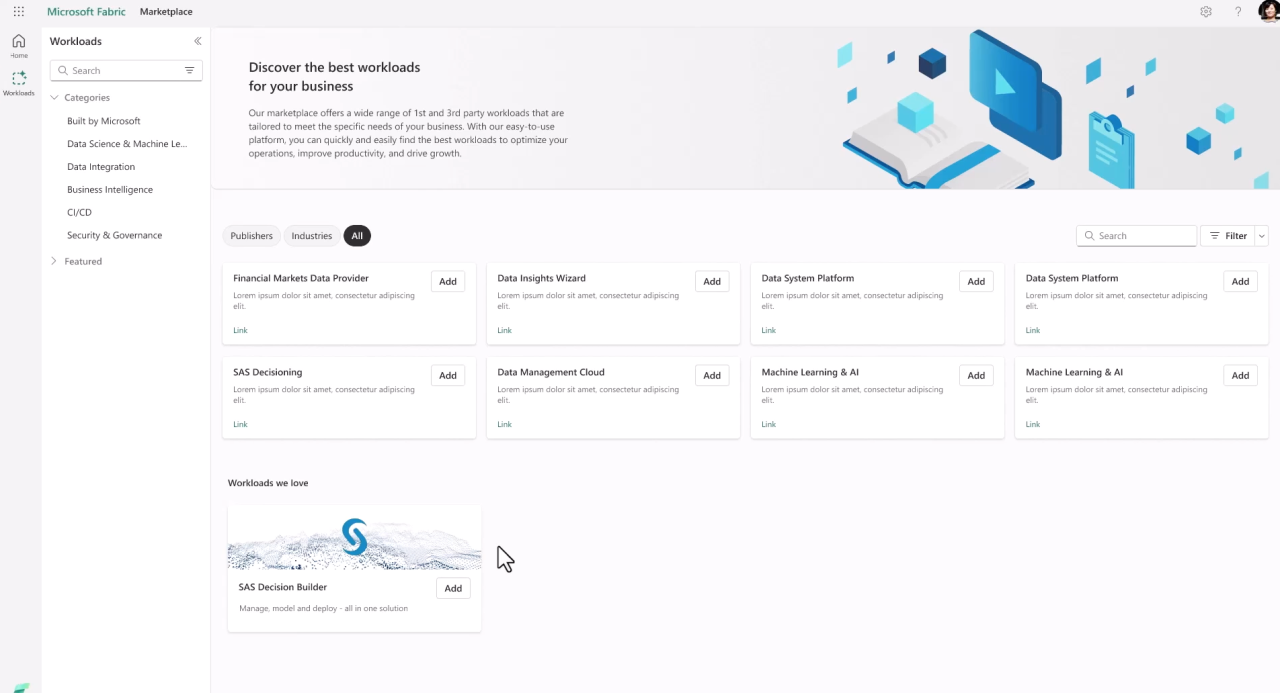
sas decision builder sets the stage for this enthralling narrative, offering readers a glimpse into a story that is rich in detail and brimming with originality from the outset. In a world that is increasingly interconnected, the art of translation has never been more crucial. It serves as a bridge between cultures, enabling effective communication and fostering understanding among diverse populations.
From literary translations that bring stories to life across languages to technical translations that ensure precision in specialized fields, the importance of translation in various contexts cannot be overstated.
In today’s fast-paced world, the importance of effective communication cannot be overstated. It serves as the foundation for building relationships, fostering collaboration, and ensuring that messages are successfully conveyed and understood. Whether in a personal or professional setting, mastering the art of communication can significantly enhance one’s ability to connect with others, navigate challenges, and achieve desired outcomes.One of the primary elements of effective communication is clarity.
When we communicate clearly, we enable our audience to grasp our message without confusion. This is especially crucial in professional environments, where misunderstandings can lead to costly mistakes. To achieve clarity, it’s essential to use straightforward language, avoid jargon when possible, and structure our thoughts logically. A well-organized message helps the audience follow along and absorb the information more easily.Another vital aspect of communication is active listening.
Often overlooked, active listening involves fully concentrating on what the speaker is saying, rather than merely hearing the words. By engaging in active listening, we demonstrate respect for the speaker and create an environment conducive to open dialogue. This not only helps us comprehend the message better but also encourages the speaker to express themselves more freely. Practicing active listening can lead to improved relationships and collaboration, whether in a team meeting or a casual conversation.Non-verbal communication also plays a significant role in how our messages are perceived.
Body language, facial expressions, and tone of voice can convey emotions and attitudes that words alone cannot. For instance, maintaining eye contact can indicate interest and confidence, while crossed arms may suggest defensiveness or disinterest. Being aware of our non-verbal cues and those of others can enhance our communication effectiveness. It’s essential to ensure that our body language aligns with our spoken words to avoid mixed signals.Furthermore, cultural awareness is increasingly important in our diverse society.
Different cultures have unique communication styles, norms, and interpretations of gestures. What may be considered polite or respectful in one culture might be perceived differently in another. Being mindful of these differences can help us navigate conversations with individuals from various backgrounds more successfully. Additionally, it shows a level of sensitivity and respect, fostering goodwill and understanding.The digital age has transformed the way we communicate, adding new dimensions and challenges.
With the rise of emails, instant messaging, and social media, the speed of communication has increased dramatically. While these tools can enhance efficiency, they also pose risks of miscommunication due to the lack of face-to-face interaction and the subtleties of non-verbal cues. To mitigate these risks, it’s essential to choose the appropriate communication medium for the message’s context. For instance, complex discussions or sensitive topics are often better suited for in-person conversations rather than quick text exchanges.Feedback is another critical component of effective communication.
Providing constructive feedback helps individuals understand their strengths and areas for improvement. When delivering feedback, it’s important to be specific and focus on behaviors rather than personal attributes. Framing feedback in a positive manner can motivate individuals to make necessary changes without feeling discouraged. Additionally, being open to receiving feedback ourselves is equally vital. It allows for personal growth and demonstrates our willingness to learn from others.Moreover, storytelling is a powerful tool in communication.
Humans are naturally drawn to stories, as they create connections and evoke emotions. Whether in a presentation, a marketing campaign, or a casual conversation, incorporating storytelling elements can make our messages more engaging and memorable. Effective storytelling involves not only sharing facts but also painting a picture that resonates with the audience. This can lead to a deeper understanding and a stronger impact.The practice of empathy in communication cannot be overlooked.
Empathy involves putting ourselves in another person’s shoes and understanding their feelings and perspectives. By showing empathy, we create an atmosphere of trust and support, allowing for more honest and open exchanges. This is particularly important in conflict resolution, where understanding differing viewpoints can lead to more effective solutions and foster a sense of collaboration.In conclusion, effective communication is a multifaceted skill that requires practice, awareness, and adaptability.
By focusing on clarity, active listening, non-verbal communication, cultural awareness, and empathy, we can enhance our interactions and build stronger relationships. The ability to communicate effectively not only benefits us personally but also contributes to a more harmonious and productive environment, whether at home, in the workplace, or within our communities. As we continue to navigate an ever-evolving communication landscape, honing these skills will undoubtedly serve us well, paving the way for more meaningful connections and successful collaborations.
Helpful Answers
What is sas decision builder?
SAS Decision Builder is a tool designed to enhance the decision-making process by providing insights through data analysis and visualization.
How does sas decision builder improve accuracy?
It leverages advanced analytics and machine learning algorithms to ensure high accuracy in data interpretation and decision recommendations.
Can sas decision builder be integrated with other tools?
Yes, it offers integration capabilities with various data sources and analytical tools to streamline workflows.
Is training required to use sas decision builder?
While basic knowledge of data analysis is beneficial, extensive training is not mandatory as the interface is user-friendly.
What industries can benefit from sas decision builder?
It can be utilized across multiple sectors, including finance, healthcare, marketing, and supply chain management.